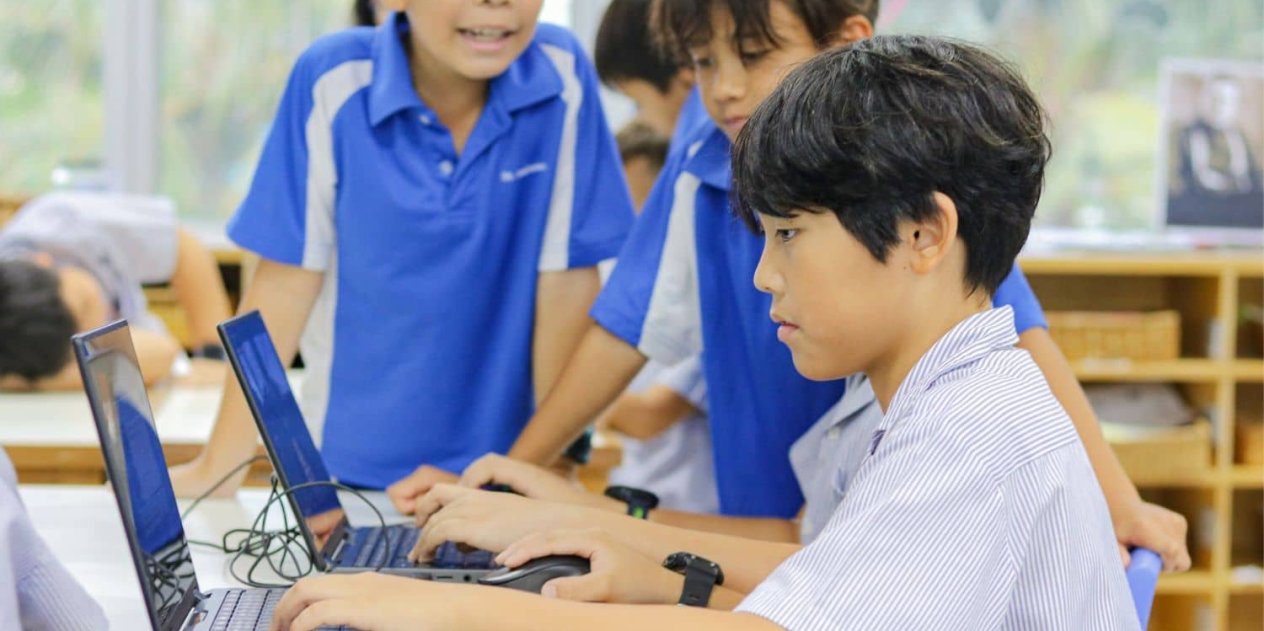
The internet plays an important role in children’s learning, social connection, and creativity. However, as digital access becomes part of everyday life, many parents understandably worry about kids online safety. From social media and gaming to messaging apps and online content, children need guidance to navigate the digital world safely and responsibly.
Keeping kids safe online does not require constant monitoring or strict control. Instead, it starts with education, communication, and consistent support at home and school. This guide shares practical, age-appropriate strategies to support online safety for children while encouraging healthy, confident digital habits.
Parent Guide: 8 Steps to Ensure Online Safety for Children
1. Build a family media plan
Parents and children should work together to create clear agreements around device use. This includes when devices can be used, which platforms are allowed, how long screen time lasts, and what behaviour is acceptable online. Involving children in these discussions helps them understand the purpose behind boundaries, rather than seeing rules as arbitrary restrictions. A shared plan supports safe internet use for kids while encouraging responsibility and trust.
2. Maintain open and regular conversations
Strong communication is one of the most effective tools for keeping kids safe online. Parents should have frequent, judgement-free conversations about social media, gaming, messaging, and digital relationships. When children feel listened to and supported, they are more likely to share concerns and report uncomfortable online experiences early.

3. Choose developmentally appropriate content
Parents should select apps, platforms, and media that align with their child’s age, emotional maturity, and developmental stage. Younger children need stronger safeguards and simpler content, while older children benefit more from guidance than strict limitations. Choosing suitable content is a core part of online safety for children, helping reduce exposure to inappropriate or harmful material.
4. Model healthy digital behaviour
Children learn digital habits by observing adults. To reinforce kids online safety, parents should model balanced and mindful device use themselves. This includes respecting screen-free times, limiting constant phone use, and demonstrating thoughtful responses to messages and notifications. Positive modelling helps children develop healthy online behaviours naturally.
5. Balance screen time with screen-free activities
Creating regular screen-free moments — such as during meals, before bedtime, or during family activities — helps children develop emotional regulation and reduce reliance on devices as a coping mechanism. Encouraging offline activities like physical play, creative hobbies, and face-to-face conversation supports a healthy balance and reinforces safe internet use for kids.
6. Teach privacy awareness and digital boundaries
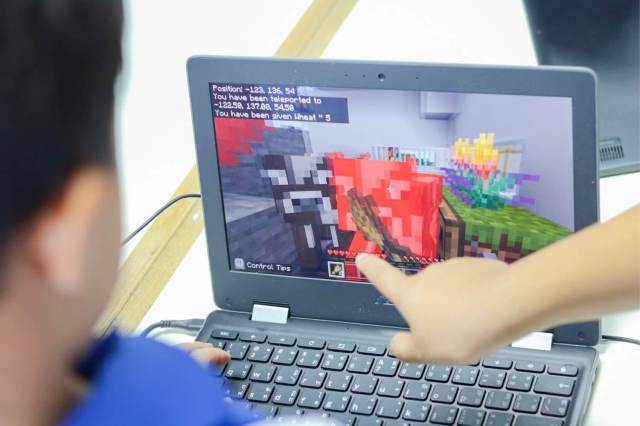
Protecting personal information is a key element of online safety for children. Parents should review privacy settings on apps and social media platforms together with their children and explain the risks of oversharing. Teaching children how to recognise unsafe requests and respect digital boundaries empowers them to protect themselves, even when adults are not present.
7. Support children’s emotional and mental health
Trust and emotional closeness play a vital role in keeping kids safe online. Parents should watch for changes in mood, sleep patterns, or behaviour that may be linked to online experiences. Providing reassurance, emotional support, and guidance helps children process challenges and builds long-term resilience.
8. Use professional, school, and community support
Consistent communication and collaboration with schools reinforce a safer online environment. When families and educators share the same expectations and messages about kids online safety, children receive clearer guidance and stronger protection across both home and school settings.

Safety Begins at School: The Green Valley Approach to Online Safety
Online Safety Workshops for Parents
A safer online community starts with informed role models. St. Andrews International School, Green Valley provides online safety workshops for parents, equipping them with the knowledge and confidence to guide their children effectively. Initiatives such as “Want to Talk About It?” encourage open conversations about digital risks, responsible behaviour, and emotional wellbeing, supporting internet safety tips for parents in a practical and approachable way.
Safer Internet Day
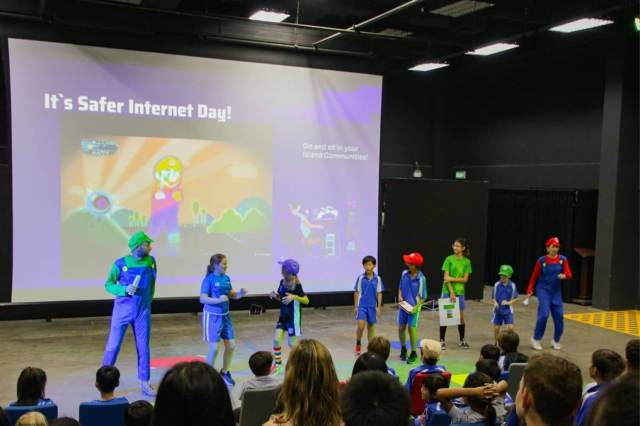
Green Valley celebrates International Safer Internet Day each year with age-appropriate activities designed to raise awareness and promote responsible digital behaviour. Through engaging workshops, discussions, and interactive activities such as internet safety game shows, students learn how to navigate online spaces safely and respectfully.
Digital Safety Policy
The school follows a clear and robust Digital Safety Policy to ensure consistency across all teaching and safeguarding practices. This policy addresses key areas including cyberbullying, inappropriate content, social media risks, online grooming, exploitation, radicalisation, and cybercrime. These guidelines ensure that online safety for children remains a shared responsibility across the entire school community.
360-Degree Safe Online Safety Mark Certification
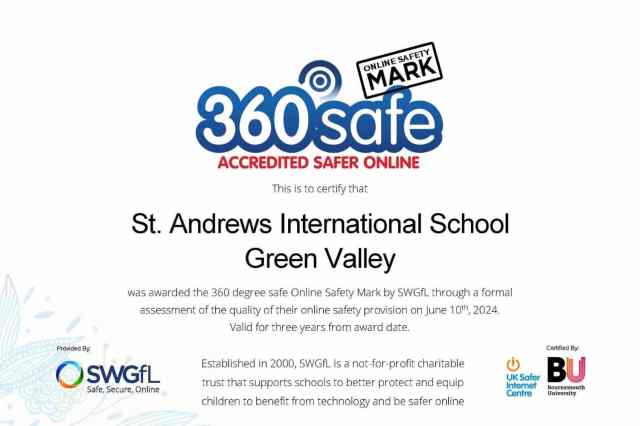
St. Andrews Green Valley is proud to hold the 360-degree Safe Online Safety Mark awarded by The South West Grid for Learning. This certification reflects the school’s commitment to maintaining high standards of digital safeguarding and ongoing staff training. It provides reassurance to families that keeping kids safe online is embedded into everyday practice at Green Valley.
Conclusion
Keeping kids safe online is not about fear or control, but about guidance, trust, and shared responsibility. As digital technology becomes an everyday part of children’s lives, parents play a vital role in helping them develop healthy habits, critical thinking skills, and emotional resilience. By combining clear boundaries, open communication, and consistent support, families can create a safer online environment that encourages confidence rather than anxiety.
Online safety for children works best when schools and families work together. Through education, shared expectations, and strong safeguarding systems, children receive consistent messages about responsible digital behaviour. At St. Andrews International School, Green Valley, this collaborative approach ensures that technology remains a positive and enriching part of each child’s learning journey — both online and offline.