
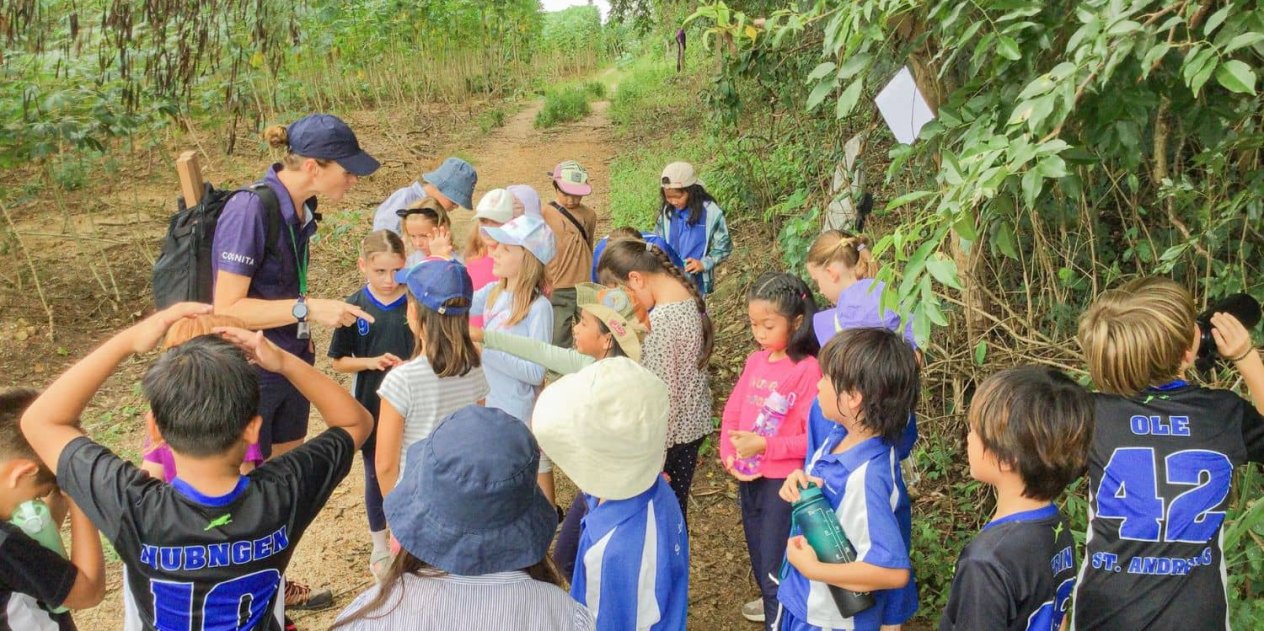
In today’s hyper-connected digital age, the modern student’s life is increasingly lived behind a glass pane. At St. Andrews Green Valley, we realise that while technology is a vital tool for academic progress, a “brilliant” education requires a deliberate approach to balancing screen time and outdoor activities. Nestled within a sprawling 12-acre green campus, our school provides the perfect antidote to digital fatigue, allowing students to disconnect from the virtual world and reconnect with the physical one.
Why Modern Students Need a Digital Reset
The rise of the “digital native” has brought incredible opportunities for research and global connection, but it has also introduced a significant developmental challenge. The question for modern parents and educators is no longer about whether to use technology, but how to ensure a child balances screen time with other activities that promote physical health, sensory development, and mental wellbeing.
At Green Valley, we have observed that high-level risk-taking and deep, meaningful learning often occur when students step away from the keyboard and into the natural world. Research suggests that excessive screen use without a physical counterweight can lead to “attention fatigue.” In contrast, our “Way to Wellness” philosophy emphasises that nature helps students find the “inner peace” required to thrive in a rigorous academic environment.
Establishing Healthy Screen Time Guidelines
While every family has different needs, we advocate for evidence-based screen time guidelines that emphasise quality and purpose over sheer quantity. We encourage a “Digital Diet” that prioritises active creation—such as coding a robot for the World Robot Olympiad—over passive consumption, like mindless scrolling through social media feeds.
At school, our approach to balancing screen time with offline activities is built into the curriculum. We don’t view technology and nature as enemies; rather, we see them as two different tools in a student’s toolkit. By following clear screen time guidelines, we ensure that technology serves the student, rather than the student serving the device. This balance is maintained through:
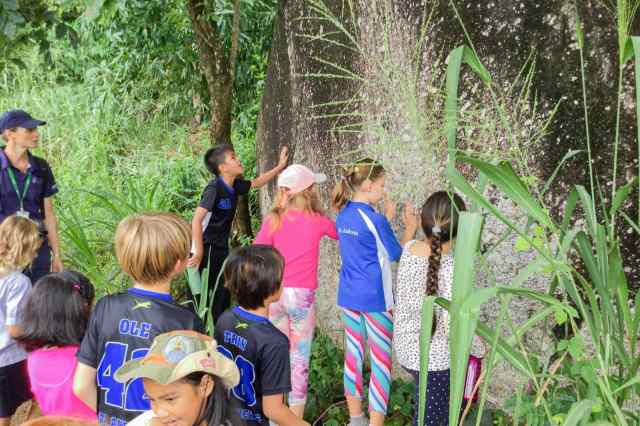
- The 12-Acre Classroom: We take lessons outside whenever possible, using our forest and fields as living laboratories for science and geography.
- Tech-Free Social Zones: We designate specific times and areas for face-to-face interaction, ensuring that “social intelligence” and empathy are practised without the barrier of a screen.
- Physical Problem Solving: In our Design and Technology labs, technology is used to plan, but the execution is physical. This transition from screen to material helps a student balances screen time with other activities like building, soldering, and testing.

Real-World Resilience: Beyond the Screen
We don’t just tell students to put their phones away; we give them something far more exciting to do. Our commitment to balancing screen time and outdoor activities is most visible in our outdoor education and leadership programmes. When a student is engaged in the Duke of Edinburgh’s International Award, they are forced to leave their digital comforts behind.
Imagine a team of students navigating through local forests with only a map and a compass. In these moments, they aren’t looking at a GPS on a smartphone; they are reading the terrain, observing the sun’s position, and communicating directly with their teammates to find the way. This is the ultimate example of how a student balances screen time with other activities to build real-world survival skills, grit, and leadership. These experiences create “analog” memories that are far more impactful than any digital achievement.
Collaborative Strategies for Home and School
We view parents as our primary partners in this mission. By aligning school and home screen time guidelines, we can create a consistent, healthy environment for our learners. To help students maintain a healthy lifestyle, we suggest a few “Family Community” strategies:
- The “Green Hour”: Establishing a household rule where at least one hour after school is dedicated to purely outdoor or offline movement.
- Productive Technology: Encouraging students to use their devices for creative student-led projects, such as digital photography of our campus wildlife or editing a video for a community service project, rather than passive gaming.
- Digital Sabbaticals: Setting aside tech-free weekends or evenings to allow the brain to reset and the family to reconnect in person.
It is through these consistent habits that a child truly balances screen time with other activities, ensuring that their digital life does not overshadow their physical development or their ability to appreciate the beauty of the world around them.
Conclusion
Ultimately, balancing screen time and outdoor activities is about more than just eye health or physical fitness; it’s about protecting the “primal joy” of childhood and the ability to find wonder in the real world. At St. Andrews Green Valley, we are committed to providing the expert guidance and the beautiful green spaces needed for students to flourish in both the digital and physical realms.
By ensuring our students follow healthy screen time guidelines and embrace the adventure inherent in our 12-acre campus, we prepare them to be resilient, focused, and “brilliant” leaders. We are proud to foster an environment where students can master the latest technology while never losing their connection to the earth.