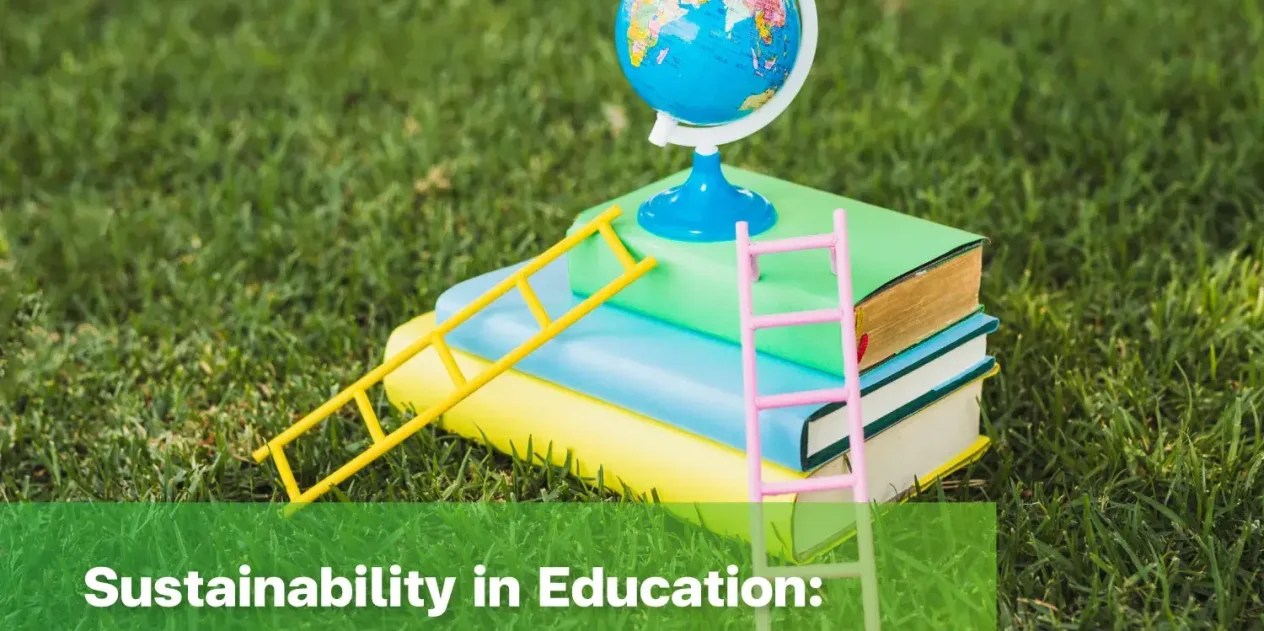
Modern children grow up in a world shaped by complex environmental and social challenges, making sustainability education a vital pillar of 21st-century learning. At St. Andrews International School, Green Valley, we go beyond simple conservation by embedding sustainability into our core curriculum to equip students with the mindset of responsible global citizens.
This approach focuses on developing critical thinking and ethical decision-making through a deep understanding of the interconnectedness between society and nature. By prioritizing sustainability education and fostering global responsibility, we prepare our students to navigate unpredictable changes and become true changemakers in an ever-evolving world.
What is Sustainability Education and Why Does It Matter?
Sustainability education refers to an approach to learning that enables students to understand the relationships between the environment, the economy, and society, while developing the skills and attitudes required to make informed decisions for a sustainable future.
This concept is rooted in the global framework of Education for Sustainable Development, supported by UNESCO, which promotes sustainability in education as a driver for positive global change.
Sustainability education plays an important role in multiple dimensions, including
- Helping learners understand global environmental challenges such as climate change.
- Encouraging systems thinking.
- Fostering social and environmental responsibility.
- Developing real-world problem-solving skills.
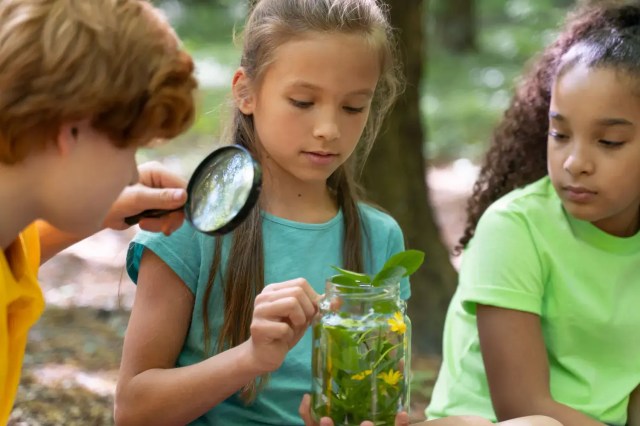
Schools that implement sustainability in education often emphasise experiential learning, such as environmental projects, community engagement, and activities related to environmental sustainability in education, allowing students to gain deeper insights into these issues.
Sustainability in Education: When Sustainability Becomes Part of the Curriculum
In the past, environmental topics were typically confined to subjects like science or geography. Today, sustainability in education has evolved into an integrated approach embedded across multiple disciplines.
1. Interdisciplinary Learning
Interdisciplinary learning enables students to see the bigger picture and understand how global challenges are interconnected. Examples include:
- Climate change in science.
- Circular economy in economics.
- Social justice in social studies.
- Environmental innovation in technology.
2. Project-Based Learning
Many schools use real-world projects as a key tool in sustainability education. Examples include designing green school initiatives, planting trees to restore ecosystems, or organising waste reduction campaigns within the school.
This method of sustainability in education allows students to think critically, analyse problems, and take meaningful action.
3. Building Social Responsibility
A key objective of sustainability in education is to develop learners who are aware of how their actions impact the world. Students are encouraged to
- Use resources responsibly.
- Respect cultural diversity.
- Understand social equity.
- Make ethical decisions.

Sustainability Executive Education: When Sustainability Becomes a Core Leadership Skill
While sustainability education begins in schools, its importance extends far beyond the classroom. In today’s world, sustainability has become a critical focus for organisations and leaders through sustainability executive education.
As businesses increasingly prioritise ESG principles, leaders are expected to manage organisations responsibly while balancing economic growth with social and environmental impact.
This is where executive sustainability education plays a vital role. These programmes are designed to help leaders understand sustainability from a systemic perspective, including economic, social, and environmental dimensions, while developing strategic decision-making skills for long term impact.
Typical topics covered in sustainability executive education include
- Designing organisational strategies aligned with sustainability goals.
- Managing resources efficiently and responsibly.
- Building a corporate culture that values social and environmental responsibility.
As a result, sustainability education is no longer limited to schools but has become a foundation for developing future ready leaders through executive sustainability education.
Key Characteristics of Global Citizens Shaped by Sustainability Education
One of the primary goals of sustainability education is to prepare learners to become global citizens who possess the knowledge, skills, and mindset required in a rapidly changing world.
1. Systems Thinking
Sustainability education helps learners understand that global challenges are interconnected rather than isolated. Whether environmental, economic, or social, these issues are linked in complex systems.
Through sustainability in education, students develop the ability to analyse problems holistically and identify well rounded solutions.
2. Social and Environmental Responsibility
A central principle of environmental sustainability in education is the awareness that everyday decisions can have global consequences. Learners are encouraged to
- Use resources responsibly.
- Respect cultural diversity.
- Contribute positively to society.
3. Cross Cultural Understanding
In an increasingly interconnected world, collaboration across cultures is essential. Sustainability education broadens students’ perspectives, helping them understand global challenges and work effectively with people from diverse backgrounds.
4. Real-World Problem-Solving Skills
Sustainability challenges are often complex and do not have a single solution. Sustainability in education therefore focuses on developing key skills such as critical thinking, teamwork, and innovation. These competencies are essential for both academic success and future careers.
Conclusion
When sustainability in education is effectively integrated into the learning experience, students gain more than academic knowledge. They develop into responsible global citizens with vision, adaptability, and the ability to drive positive change.
Many international schools prioritise sustainability education by embedding it into their curriculum, experiential learning programmes, and school environment, particularly through initiatives related to environmental sustainability in education.
At St. Andrews International School, Green Valley, sustainability in education is woven into multiple aspects of learning. From systems thinking and project-based learning to fostering a strong sense of global responsibility, students are supported in developing both academically and personally.
For parents seeking an international school that values sustainability education and prepares students for the future, you are warmly invited to book a school tour. Discover how sustainability in education at St. Andrews International School, Green Valley can empower your child to thrive in an ever-changing world.