
Topic Summary: Explore what is cooperative learning, its importance, and key benefits of cooperative learning in the classroom, helping students build communication, teamwork, critical thinking, and confidence for future global success.
Modern learners are growing up in a world where they will collaborate with people from diverse cultures, perspectives, and ways of thinking. Beyond academic knowledge, the ability to work effectively with others through empathy and mutual respect has become essential. Education today is no longer focused solely on outcomes, but also on the process of learning together, where students think critically, communicate clearly, and grow alongside their peers.
One approach that clearly reflects this shift is cooperative learning. This method of teaching and learning creates opportunities for students to actively participate through discussion, problem solving, and learning from different perspectives.
What is Cooperative Learning?
Cooperative learning is a structured teaching approach where students work in small groups to achieve shared learning goals. Each member has a clearly defined role and responsibility. This is not simply group work, but a carefully designed process that ensures active participation and meaningful collaboration.
At its core, cooperative learning can be understood as a system where success depends on the contribution of every individual. Students develop communication skills, problem solving abilities, and respect for diverse opinions. These are essential elements of cooperative learning in the classroom and are central to 21st century education.
Why is Cooperative Learning Important?
Understanding the importance of cooperative learning helps highlight its value beyond traditional teaching methods. In classrooms that apply cooperative learning, students are not passive recipients of information. Instead, they actively construct knowledge together through discussion, questioning, and shared discovery.
This approach strengthens deep understanding rather than surface level memorisation. It also creates a safe and inclusive environment where students feel confident expressing their ideas. The importance of cooperative learning lies in its ability to reduce competitive pressure while promoting meaningful and sustainable learning experiences.
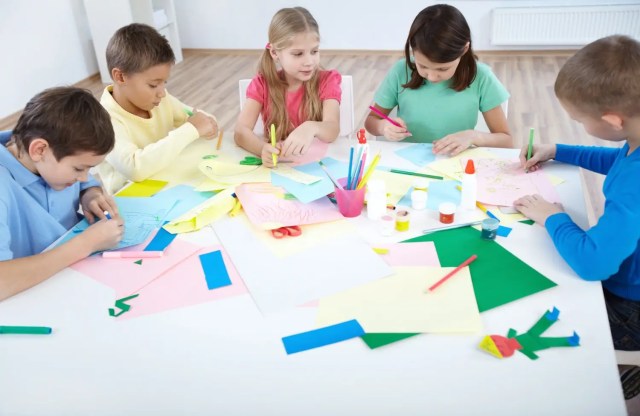
5 Benefits of Cooperative Learning
This approach supports cognitive development, personal growth, and essential life skills. By engaging in cooperative learning in the classroom, students gain real experiences that make learning more meaningful and memorable.
Let us explore the key benefits of cooperative learning and why they matter for every learner.
1. Develops Effective Communication Skills
Through cooperative learning, students are encouraged to express their ideas clearly while actively listening to others. This process strengthens their ability to choose appropriate language, organise thoughts logically, and respond respectfully.
Over time, these experiences build confidence in communication. Students become more articulate and effective in both academic settings and real-life situations.
2. Enhances Critical Thinking and Problem Solving
Working in groups exposes students to a variety of perspectives, naturally encouraging analytical thinking. In cooperative learning in the classroom, students learn to ask questions, compare ideas, and evaluate different solutions before making decisions.
This process deepens understanding beyond a single answer. Students begin to explore the reasoning behind concepts, allowing them to apply knowledge in real world contexts. These are key benefits of cooperative learning that prepare learners for complex challenges.
3. Builds Responsibility and Leadership
In cooperative learning, each student is assigned a role such as planner, facilitator, or presenter. This structure ensures accountability and encourages students to manage their responsibilities effectively.
At the same time, students develop leadership skills by making decisions, supporting peers, and working towards shared goals. The importance of cooperative learning is evident in how it nurtures both independence and teamwork, skills that cannot be developed through individual work alone.
4. Boosts Self Confidence
Active participation in group activities helps students recognise their own value in the learning process. When their ideas are acknowledged, they develop a sense of pride and confidence.
In cooperative learning in the classroom, peer support also reduces anxiety and encourages students to take risks in learning. This growing confidence extends beyond the classroom and positively influences personality and daily life.
5. Strengthens Social Skills and Empathy
Cooperative learning allows students to work with peers from different backgrounds, abilities, and perspectives. This experience teaches adaptability, respect, and constructive conflict resolution.
These interactions foster empathy and strong social skills, which are essential in a globalised world. The importance of cooperative learning becomes even more evident in international school settings, where cultural diversity enriches the learning experience and prepares students to become global citizens.

Examples of Cooperative Learning in the Classroom
Applying cooperative learning in the classroom involves designing activities that encourage participation, collaboration, and measurable learning outcomes.
These examples help illustrate what is cooperative learning in practice:
- Group projects that require creativity and planning: Students work together from idea development to final presentation, building teamwork, responsibility, and innovation.
- Classroom discussions on diverse topics: These activities encourage critical thinking and active listening, showing students that different opinions are valuable opportunities for deeper understanding.
- Scenario-based problem solving: Students analyse situations, make decisions together, and apply knowledge in practical contexts. This reflects the real-world application of cooperative learning.
- Peer teaching activities where students explain concepts to one another: This strengthens understanding for both the speaker and the listener, creating a supportive and engaging learning environment.

Conclusion
Cooperative learning transforms the classroom into a space for growth rather than passive instruction. Students do not simply absorb content. They develop communication, teamwork, critical thinking, and empathy. These are the foundations of success in today’s world.
When students engage in meaningful collaboration, their confidence and adaptability grow naturally. This clearly demonstrates the importance of cooperative learning in preparing learners for both academic achievement and life beyond school.
At St. Andrews International School, Green Valley, cooperative learning in the classroom is integrated across all year groups to create a balanced learning experience that is both challenging and supportive. Students learn alongside peers from diverse cultural backgrounds through thoughtfully designed activities that nurture every aspect of their development.
For parents seeking an education that values both academic excellence and holistic growth, visiting the school today offers the opportunity to experience this approach first hand and understand how cooperative learning can shape a child’s future.