While many children today grow up surrounded by tablets, smartphones and computers, their daily schedules are often filled with lessons and extracurricular activities from morning to evening. In the midst of this fast-paced routine, it is worth asking what kind of environment your child is truly growing up in. The atmosphere that surrounds a child has a profound impact on thinking processes, emotions and long-term development, often more than many parents realise.
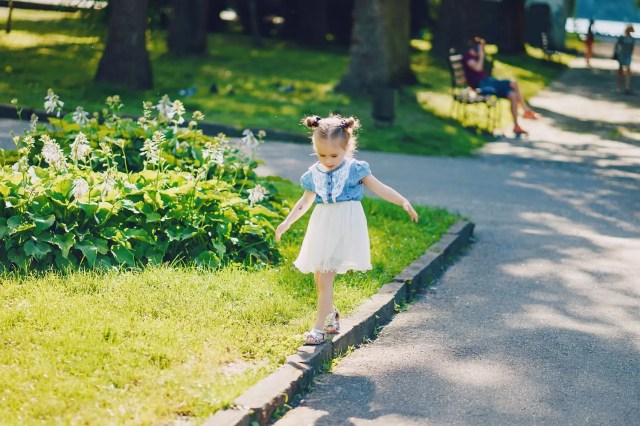
This is where green spaces in education become increasingly important. From lawns bathed in soft morning sunlight, to the shade of mature trees where pupils read during free periods, to small vegetable plots used in science lessons, these elements are not merely decorative. They are carefully designed outdoor learning environments that enhance concentration, physical health and emotional stability, while strengthening analytical thinking and environmental responsibility. The importance of green spaces in schools is therefore closely linked to holistic child development.
What Are Green Spaces in Education?
Green spaces in education refer to natural areas or environments that incorporate trees, lawns, gardens, planting beds or open-air spaces intentionally designed to support learning. These spaces may be used for academic study, group activities or meaningful rest and reflection.
They may take the form of
- Large fields for sports and physical activities.
- Small botanical gardens within the school grounds.
- Outdoor reading areas.
- Agricultural plots that support learning by doing.
- Nature based activity zones designed as outdoor education.
The Importance of Green Spaces in Schools for Holistic Child Development
The importance of green spaces in schools can be seen across multiple dimensions of a child’s development.
1. Enhancing Concentration and Academic Performance
Children who spend time close to nature tend to demonstrate improved concentration. Numerous psychological studies suggest that exposure to greenery and calm natural surroundings helps restore mental energy and reduce cognitive fatigue. When attention improves, classroom learning becomes more effective.
Among the many benefits of green spaces for students, enhanced focus is one of the most visible outcomes. Thoughtfully designed outdoor learning environments allow pupils to recharge mentally, supporting sustained academic engagement throughout the day.
2. Supporting Physical Health and Wellbeing
Green spaces in education encourage children to move, play sports and participate in outdoor activities regularly. This reduces prolonged screen time and supports muscular development, cardiovascular health and balance.
The benefits of green spaces for students extend beyond academic gains. By integrating physical movement into the school day, schools create balance between intellectual growth and physical wellbeing. The importance of green spaces in schools becomes particularly clear in climates where outdoor activity can significantly improve comfort and overall health.
3. Strengthening Emotional and Social Development
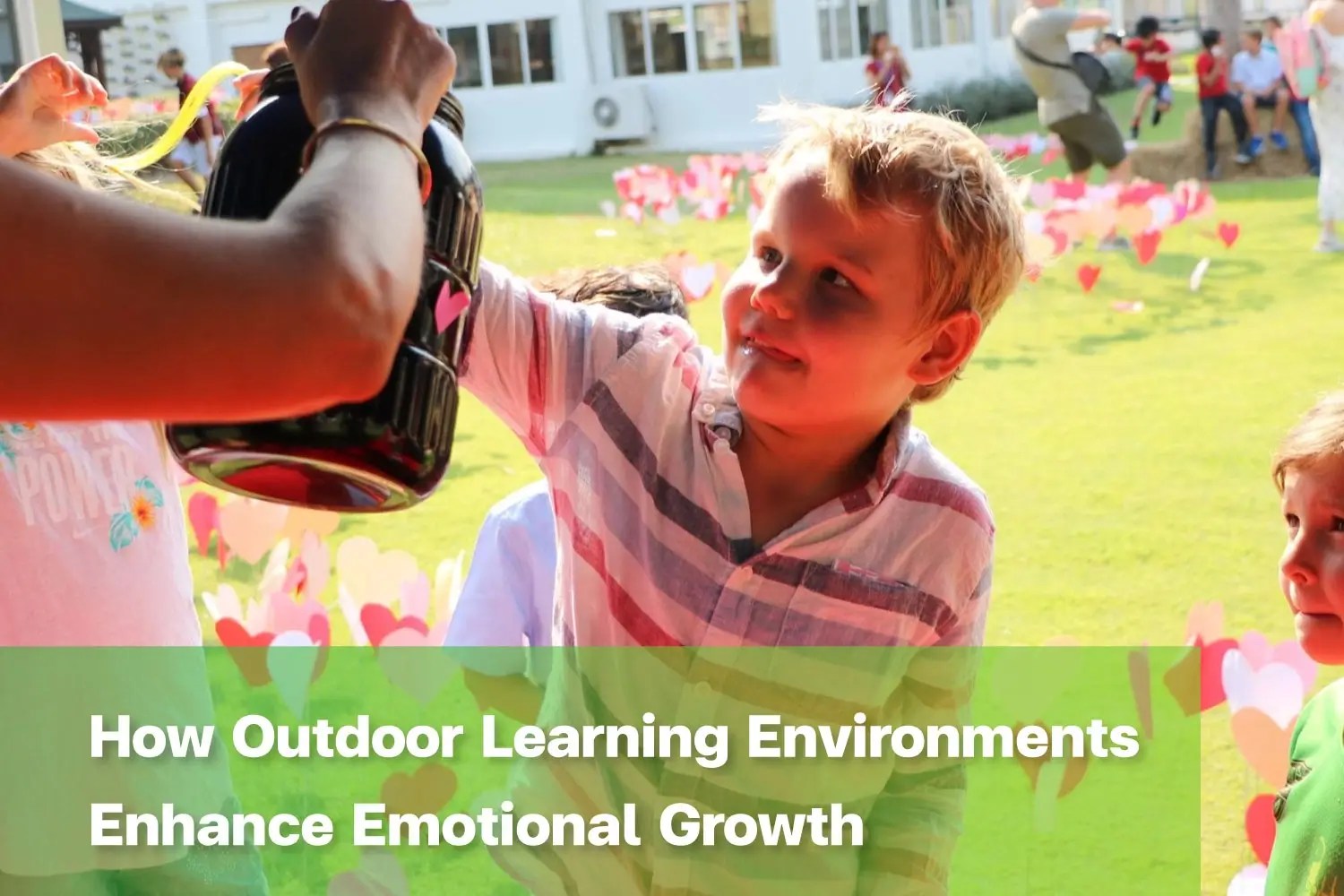
Spending time in natural surroundings reduces stress and anxiety levels in children. When pupils interact in open green areas, they develop teamwork, communication and problem-solving skills through shared activities.
These experiences illustrate the deeper benefits of green spaces for students. Beyond relaxation, green spaces in education function as training grounds for life skills. Well-designed outdoor learning environments provide space for emotional regulation and positive peer relationships, reinforcing the importance of green spaces in schools at a social level
Green Spaces in Schools and Experiential Learning
Experiential learning has become a defining feature of 21st century education. This approach aligns naturally with the development of green spaces in education and intentional outdoor learning environments. When schools provide access to meaningful green areas, learning extends beyond textbooks into real-world exploration.
Learning Science Through Gardening and Nature Exploration
School gardens or planting areas can become living laboratories. Pupils can observe plant life cycles, photosynthesis, ecosystems and interdependence through direct experience.
Such hands-on engagement demonstrates clear benefits of green spaces for students. Complex scientific concepts become tangible and easier to understand. This practical dimension highlights the importance of green spaces in schools as platforms for deep and lasting understanding within authentic outdoor learning environments.
Learning Mathematics Through Real World Measurement and Design
Lawns, activity areas and garden plots can also be used creatively to teach mathematics. Pupils may calculate area, volume, ratios or distances by measuring real spaces and designing layouts.
In this way, green spaces in education transform abstract numbers into practical tools. The benefits of green spaces for students include a stronger grasp of real-world application. These outdoor learning environments help learners see mathematics as meaningful and relevant.
Learning Art and Creativity Inspired by Nature
Nature offers endless inspiration. The colours of leaves, the shifting light throughout the day and the textures of bark encourage careful observation and creative expression.
Creating art within green spaces in education nurtures aesthetic sensitivity and imagination. The benefits of green spaces for students in this context include emotional expression and creative confidence. The importance of green spaces in schools is reflected not only in academic success but also in artistic growth fostered within inspiring outdoor learning environments.
Learning Environmental Responsibility Through School Conservation Projects
When schools maintain meaningful green spaces in education, pupils can participate in tree care, waste management initiatives and conservation activities.
These experiences cultivate awareness of sustainability and demonstrate cause and effect in action. Such projects reinforce the importance of green spaces in schools, as they shape responsible attitudes alongside academic learning. The benefits of green spaces for students therefore include the development of long-term environmental stewardship within purposeful outdoor learning environments.
Conclusion
When considered comprehensively, it becomes clear that green spaces in education form an essential part of a thriving learning ecosystem. They influence physical health, emotional wellbeing and intellectual growth. From improved concentration to the cultivation of 21st century skills through thoughtfully designed outdoor learning environments, the benefits of green spaces for students are both immediate and lasting.
At St. Andrews International School, Green Valley, extensive and beautifully maintained green spaces are intentionally integrated into daily school life. Sports activities, experiential learning opportunities and restorative moments of rest all take place within inspiring outdoor learning environments. This reflects a deep understanding of the importance of green spaces in schools and a commitment to holistic education.
Parents are warmly invited to book a school tour today and experience firsthand how green spaces in education can bring learning to life and support children’s growth in every dimension.