During the school years, student confidence is one of the most important life skills a child can develop. Confidence encourages students to think independently, speak up, try new things, and feel comfortable being themselves in a diverse society. It is a skill that supports not only academic success but also personal growth and future readiness throughout life.
One of the most natural and effective ways to nurture student confidence is through school clubs. At St. Andrews International School, Green Valley, These clubs act as a space for self-discovery, allowing students to learn through real experiences and explore their interests beyond the classroom. Rather than being limited to traditional lessons, students can engage in activities that reflect their passions and strengths.
While some parents may see student clubs and activities as simple after school programmes, in reality they play a vital role as confidence building activities. They support emotional development, social skills, and essential life skills all at the same time.
What Are School Clubs and What Role Do They Play in Learning?
School clubs are organised groups that allow students to participate based on their interests, abilities, or passions. These may include academic clubs, sports, arts, performing arts, technology, or community focused activities such as volunteering or social projects. Most student clubs and activities are held regularly and are guided closely by teachers who provide support and encouragement.
From a child development perspective, school clubs offer a safe and supportive environment where students can try, make mistakes, and learn through experience. Without pressure to achieve specific results, students feel more comfortable expressing ideas, experimenting, and discovering their own strengths. This positive environment plays a key role in how school clubs build confidence, laying strong foundations for long-term student confidence.
Why Is Confidence Important for Student Development?
Confidence is an internal skill that affects many aspects of a student’s life. Students with strong confidence are more likely to ask questions, share opinions, and view mistakes as part of learning rather than something to fear. This mindset encourages deeper learning and prepares students to face challenges both in school and beyond.
In international schools, student confidence becomes even more important. Students communicate in English, collaborate with peers from different cultural backgrounds, and adapt to diverse learning environments. In this context, school clubs become essential confidence building activities, helping students develop confidence gradually through hands-on experience and social interaction.

How Do School Clubs Build Confidence?
Confidence does not develop overnight. It grows steadily through small, consistent experiences where students take action and see progress. School clubs support student confidence in several key ways.
Providing Opportunities for Students to Show Their Strengths
One reason school clubs are effective is that they allow students to demonstrate abilities that may not always be visible in the classroom. Some students may not excel academically but show strong talent in music, sport, or art. When students participate in student clubs and activities that match their strengths, a sense of pride naturally develops. This is one of the core benefits of school clubs in building long lasting confidence.
Reducing Fear of Mistakes and Encouraging Learning Through Experience
School clubs are powerful confidence building activities because they focus on the learning process rather than final outcomes. Students feel free to try new things without worrying about grades or judgement. When mistakes happen, they are seen as valuable lessons rather than failures. This positive approach directly supports how school clubs build confidence and resilience.
Developing Teamwork and Social Skills
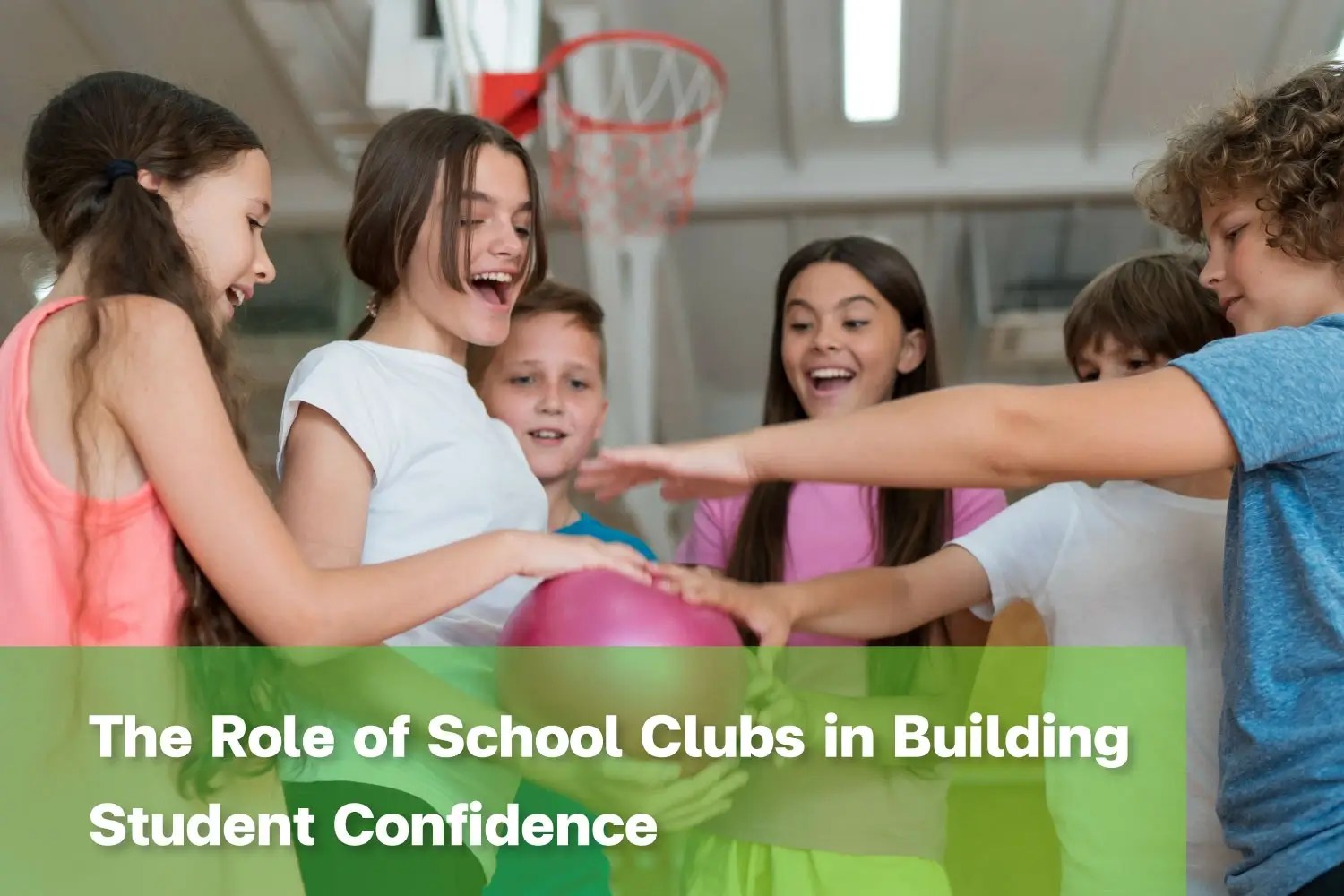
Joining student clubs and activities helps students learn communication, active listening, and teamwork. As students feel accepted and valued within a group, their sense of belonging grows. Knowing that their contribution matters strengthens student confidence and encourages positive social engagement, both inside and outside school.

Examples of School Clubs That Effectively Build Student Confidence
There are many types of school clubs, and each supports student confidence in different ways. Some clubs encourage students to express themselves more openly, while others build confidence through problem solving and teamwork.
Chess
The chess club helps students develop analytical thinking, strategic planning, and logical decision making. Students learn how to handle mistakes, adjust strategies, and accept outcomes with maturity. As they see improvement through regular practice, confidence in their own abilities grows steadily. This is one of the clear benefits of school clubs that focus on critical thinking.
Art Illustration
Art illustration clubs provide a space for students to express their identity through creative work. Students learn that their ideas have value and can be communicated in unique ways. Seeing their artwork improve over time strengthens self-pride and student confidence, reinforcing how school clubs build confidence through creativity.
Sport
Sports clubs support both physical and mental development. Students learn discipline, perseverance, teamwork, and emotional control when facing both success and disappointment. These experiences build resilience and confidence, making sports one of the most effective confidence building activities.
Film Production
Film production clubs allow students to collaborate on projects that involve idea development, scriptwriting, filming, and editing. Students practise communication, planning, and problem solving in real situations. Seeing a final project created through teamwork boosts confidence in both personal abilities and group collaboration.
Cooking
Cooking clubs encourage learning through hands-on experience. Students practise planning, time management, and responsibility for small details. Producing tangible results builds a strong sense of achievement, helping students develop pride and confidence in their own capabilities.

Conclusion
It is clear that student clubs and activities play a vital role in holistic student development. They support academic growth, emotional wellbeing, social skills, and leadership while strengthening student confidence. Allowing students to choose activities that reflect their interests helps them grow in a balanced and confident way, preparing them for future challenges.
At St. Andrews International School, Green Valley, learning extends beyond the classroom into carefully designed school clubs and activities that focus on confidence, self-expression, and individuality within a safe and supportive environment.
For parents seeking an international school that values well rounded development and the proven benefits of school clubs, you are invited to explore the school’s learning environment and educational approach by booking a school visit today.