
In the 21st century, education must transcend textbooks. At St. Andrews International School, Green Valley, we believe genuine understanding flourishes when students connect theory to the real world. By stepping outside the classroom, students transform their environment into a space for discovery.
Local markets serve as the perfect “living classroom.” These vibrant hubs of community life offer students an authentic context to observe human stories, economic exchanges, and cultural identity. Engaging with these local environments allows students to broaden their perspectives and develop a deeper, more practical understanding of the world around them.
Local Markets and Learning Beyond Theory
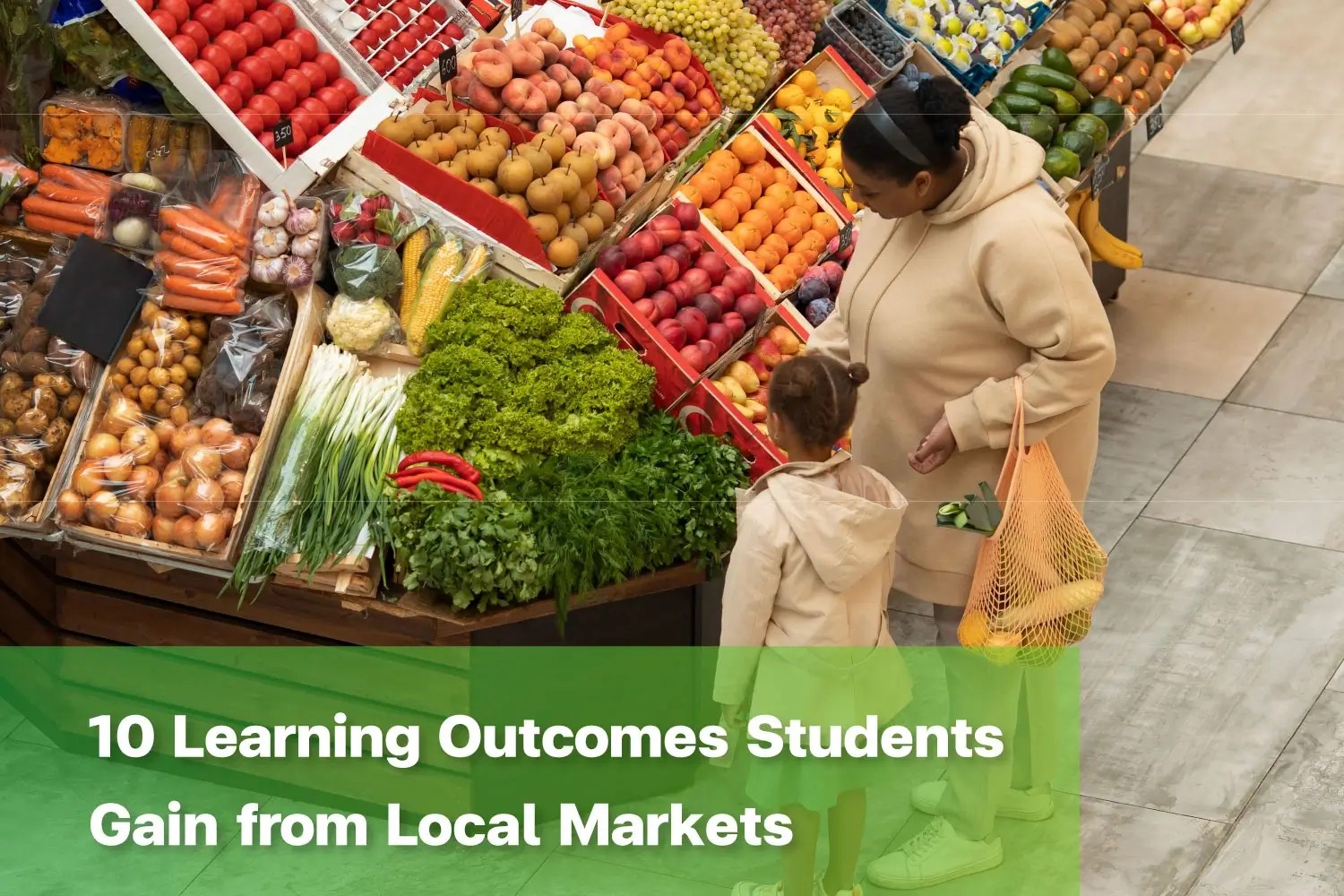
Local markets reflect society at a grassroots level and serve as a powerful form of outdoor education. Students can clearly observe the relationships between producers, sellers, and consumers, including the sources of ingredients, pricing methods, and purchasing behaviour. These real-world experiences transform classroom subjects such as economics, social studies, and geography into tangible learning, making concepts easier to understand and more meaningful.
What Students Can Learn from Local Markets Across Different 10 Dimensions
Local markets provide opportunities for students to learn through observation and real context analysis. This supports deeper understanding of social, economic, and cultural concepts through the following 10 dimensions and clearly demonstrates what students can learn from local markets.
1. Economics and Responsible Use of Money
Local markets are clear examples of small-scale economic systems. Students can learn about supply and demand, pricing, costs, profits, and polite price negotiation. Observing how vendors manage costs, select ingredients, and adjust prices based on real situations helps students understand that economics is not abstract theory but a part of everyday life. Learning from local markets makes economic concepts practical and meaningful.
2. Cultural Learning Through Markets
One of the most important values is cultural learning through markets. Students can experience community identity through food, language, clothing, and social manners. Markets reflect what people value, which foods are popular, and how festivals influence daily life. This strengthens understanding of cultural diversity and nurtures respect for differences, making cultural learning through markets an essential part of international education.
3. Communication Skills and Confidence
Talking with vendors, asking about products, and requesting additional information give students opportunities to practise communication skills in real situations. These interactions require politeness, confidence, and attentive listening.
For international schools, using local markets as language practice spaces in both Thai and English helps students develop natural communication skills and learn how to adjust language appropriately for different audiences. Learning from local markets therefore supports authentic language development.

4. Analytical Thinking and Questioning
Local markets are teeming with information waiting to be discovered. Students can ask questions such as where products come from, why prices vary, or what factors influence seasonal popularity. Observing real situations and seeking answers develops analytical thinking skills, which are central to international learning. This process reinforces what students can learn from local markets through inquiry-based experiences.
5. Understanding Sustainability and the Environment
Many local markets prioritise locally sourced ingredients, reduced transportation distances, and simple packaging. Students can learn about sustainability, waste reduction, and responsible consumption through real life examples. Seeing the environmental impact of purchasing decisions helps students realise that small everyday choices can create long-term environmental effects. Learning from local markets encourages environmental awareness and responsibility.
6. Social Interaction and Community Relationships
Local markets allow students to observe how people interact within a community. From friendly conversations to long term relationships between vendors and customers, students can learn how trust, respect, and cooperation shape social connections. Learning from local markets helps students understand the importance of social bonds and community values in everyday life.
7. Entrepreneurship and Small Business Skills
Local markets are ideal spaces for students to explore basic entrepreneurial thinking. Students can observe how small businesses attract customers, present products, and adapt to competition. These experiences highlight what students can learn from local markets about creativity, resilience, and practical problem solving in real business environments.
8. Decision Making and Personal Responsibility
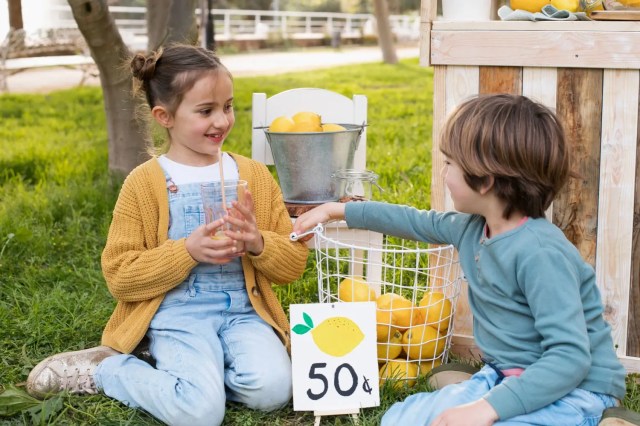
Choosing what to buy, comparing prices, and evaluating quality all involve decision making. Through learning from local markets, students practise making thoughtful choices and understand the consequences of their decisions. This builds personal responsibility and encourages more mindful consumer behaviour.
9. Observation Skills and Attention to Detail
Markets are rich with visual, social, and cultural details. Students learn to notice patterns, behaviours, and changes over time, such as peak hours or seasonal products. These observations strengthen attention to detail and support deeper learning from local markets across multiple subjects.
10. Adaptability and Real-world Problem Solving
Local markets are dynamic environments where conditions change daily. Students may encounter unexpected situations such as sold out items or language barriers. Navigating these moments helps students develop adaptability and practical problem-solving skills, reinforcing cultural learning through markets in authentic settings.

Conclusion
Local markets demonstrate that meaningful learning does not rely solely on textbooks. It can emerge through observation, analysis, and understanding of the real world around students. Whether related to economics, culture, communication, or life skills, these experiences are essential for living in an ever-changing world. This approach aligns with the goals of international education, which aim to prepare students to become capable global citizens by fostering cultural learning through markets and authentic engagement.
At St. Andrews International School, Green Valley, learning is not limited to classrooms. It is intentionally designed to connect with real experiences, enabling students to learn with purpose, gain deeper global understanding, and develop both academic knowledge and life skills in balance.
Families seeking an international school that values holistic learning and prepares students for the future are welcome to find more information or complete the enquiry form on the school website to arrange a campus visit and experience the learning environment firsthand.