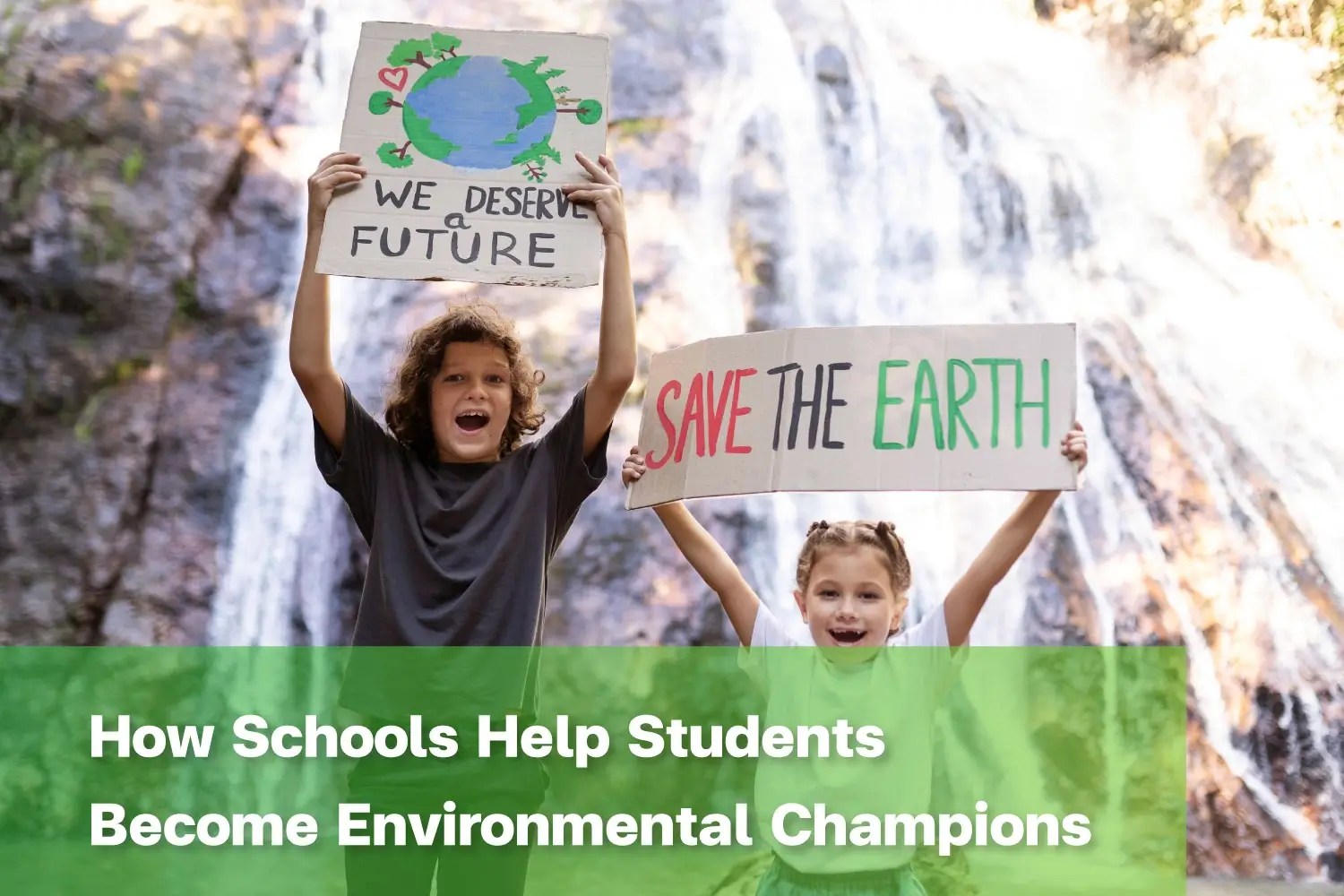
Our world is facing a growing range of environmental challenges, from climate change and pollution to the excessive use of natural resources. As a result, the role of young people is more important than ever. Today’s students are not just the leaders of tomorrow; they are the catalysts for environmental stewardship today. in the future, beginning with the communities around them.
The concept of environmental champions does not apply only to scientists or environmental experts. At St. Andrews International School, Green Valley, It also includes students who are environmentally aware, understand the impact of small everyday actions, and are willing to take consistent steps towards sustainability. By developing the right knowledge, attitudes, and age appropriate activities, students can grow into environmental champions who help shape a more sustainable world.
What Are Environmental Champions and Why Do Students Matter?
Environmental champions are individuals who demonstrate strong environmental awareness and apply responsible knowledge and behaviours to reduce their impact on the planet.
For students, becoming environmental champions does not require large scale projects. It can begin with simple changes in daily habits and setting a positive example for peers.
Students are uniquely positioned to drive sustainability because they are at a stage of active learning, open minded thinking, and social influence. They naturally share ideas with friends, families, and wider communities. This makes schools a vital environment for nurturing student environmental champions and embedding environmental responsibility in schools from an early age.

Building Environmental Awareness for Students as the Starting Point for Change
Becoming environmental champions begins with understanding and awareness. When students recognise the connection between human actions and the natural world, environmentally responsible behaviour becomes more meaningful and long lasting.
Environmental awareness for students can be developed through several approaches:
Understanding the Impact of Waste, Plastics, and Energy Use on Ecosystems
Learning about waste management, plastic pollution, and excessive energy consumption helps students see how everyday behaviour affects the environment at both local and global levels. This awareness encourages students to reflect on their own habits and choices.
Developing Analytical Thinking to Understand Long Term Consequences
Encouraging students to ask questions such as whether the planet could sustain equal resource consumption by everyone supports critical thinking skills. This approach helps students understand how small decisions made today can influence environmental outcomes in the future.
Connecting Environmental Lessons to Students’ Everyday Lives
When environmental topics are linked to daily routines such as waste separation, energy saving, or choosing eco-friendly materials, students can clearly see how their individual actions contribute to positive change over time.
6 Eco-friendly Activities for Students That Make Learning Meaningful
Developing environmental champions requires more than theoretical learning. Students need opportunities to take part in eco-friendly activities that turn knowledge into real experience and deepen understanding.
These activities play an important role in strengthening environmental awareness for students while also building life skills and a sense of social responsibility.
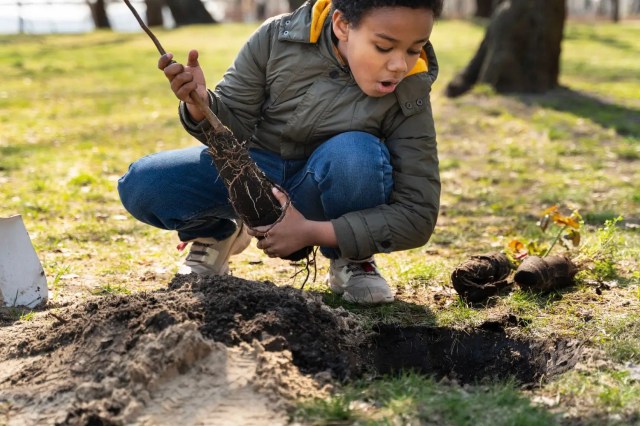
1. Tree Planting and Green Space Care Projects Within the School
Tree planting and maintaining school gardens allow students to experience the role of nature within ecosystems firsthand. They learn about plant growth cycles, care responsibilities, and the value of green spaces to quality of life, which supports environmental responsibility in schools.
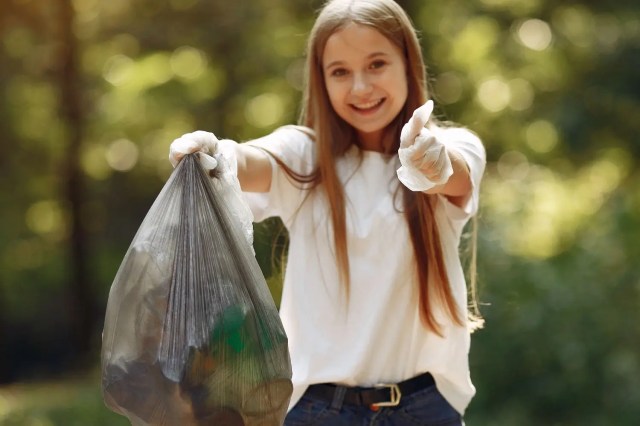
2. Structured Waste Separation and Recycling Activities
Waste separation programmes help students understand the environmental impact of waste and recognise that certain materials can be reused or recycled. Hands-on participation encourages sustainable habits and reinforces environmental awareness for students in daily life.
3. Student-led Environmental Clubs
Environmental clubs give students the opportunity to initiate, plan, and manage activities independently. Through these experiences, students develop leadership, teamwork, and communication skills while creating positive social impact as student environmental champions.
4. Campaigns to Reduce Plastic Use in Daily Life
Plastic reduction campaigns such as using reusable water bottles or cloth bags allow students to clearly see the results of small behaviour changes. These activities connect classroom learning with real life practice and promote responsible resource use.
5. Energy Saving Projects Within the School
Involving students in energy saving initiatives such as turning off unused lights or managing energy use effectively helps reinforce sustainability concepts. Students learn how individual actions can influence environmental outcomes at an organisational level.
6. Outdoor Learning Activities in Natural Environments
Outdoor education in natural settings such as parks or environmental learning centres broadens perspectives and strengthens interest in conservation. Emotional connections with nature play a key role in developing long-term environmental awareness for students.
Developing Leadership Skills Through the Role of Student Environmental Champions
Becoming student environmental champions allows students to experience a modern form of leadership that values cooperation, accountability, and long-term environmental impact. Through their involvement, environmental champions gain essential skills that support both personal growth and environmental responsibility in schools.
Communicating Environmental Ideas in Creative and Engaging Ways
Students practise explaining complex topics such as sustainability and resource conservation in ways that are clear, engaging, and accessible. This strengthens communication and presentation skills while building confidence in expressing well-reasoned viewpoints related to environmental awareness for students.
Collaborating With Others From Diverse Perspectives
Environmental initiatives often require cooperation across different groups. Through these experiences, students learn to listen to varied opinions, adapt to different viewpoints, and work effectively as part of a team. These skills are essential for success in multicultural learning environments and for future leadership roles as environmental champions.
Planning and Problem Solving in a Structured and Responsible Manner
Organising environmental activities or projects allows students to practise goal setting, step by step planning, and responding to real challenges. This process strengthens analytical thinking and responsible decision making, reinforcing the practical value of eco-friendly activities for students.
Conclusion
When schools prioritise environmental awareness alongside eco-friendly activities for students and systematically integrate environmental responsibility in schools, students gain more than academic knowledge. They grow into informed global citizens who are capable of thinking critically and taking meaningful action towards sustainability.
At St. Andrews International School, Green Valley, students are encouraged to develop environmental awareness, leadership skills, and social responsibility through meaningful learning experiences that connect real-world challenges with an international curriculum.
For families seeking an international school that supports holistic development across academics, life skills, and sustainability, further information is available on our website. You may also complete the online form to book a school tour and experience our learning environment first hand