Most parents choose an international school to ensure their children master English. However, At St. Andrews International School, Green Valley, we believe there is another vital advantage: the opportunity to immerse students in Thailand’s rich cultural heritage.
Beyond textbooks, Thailand’s traditional festivals serve as a living classroom. By experiencing these celebrations firsthand, students gain deep insights into the values, beliefs, and social fabric of Thai society. These festivals act as a cultural window, fostering a meaningful connection to the local identity that lasts a lifetime.
Why Are Thai Festivals Important for International Students?
These local celebrations function as cultural classrooms, offering hands-on learning experiences that teach respect for others, social harmony, and an appreciation of diverse beliefs. Through Thai culture festivals, students learn by participating, observing, and engaging directly with local communities.
For international students, taking part in Thailand cultural events not only enriches their outdoor education but also develops essential life skills, including:
- Cross-cultural understanding.
- Communication skills and social adaptability in a new environment.
- Holistic learning beyond the classroom.
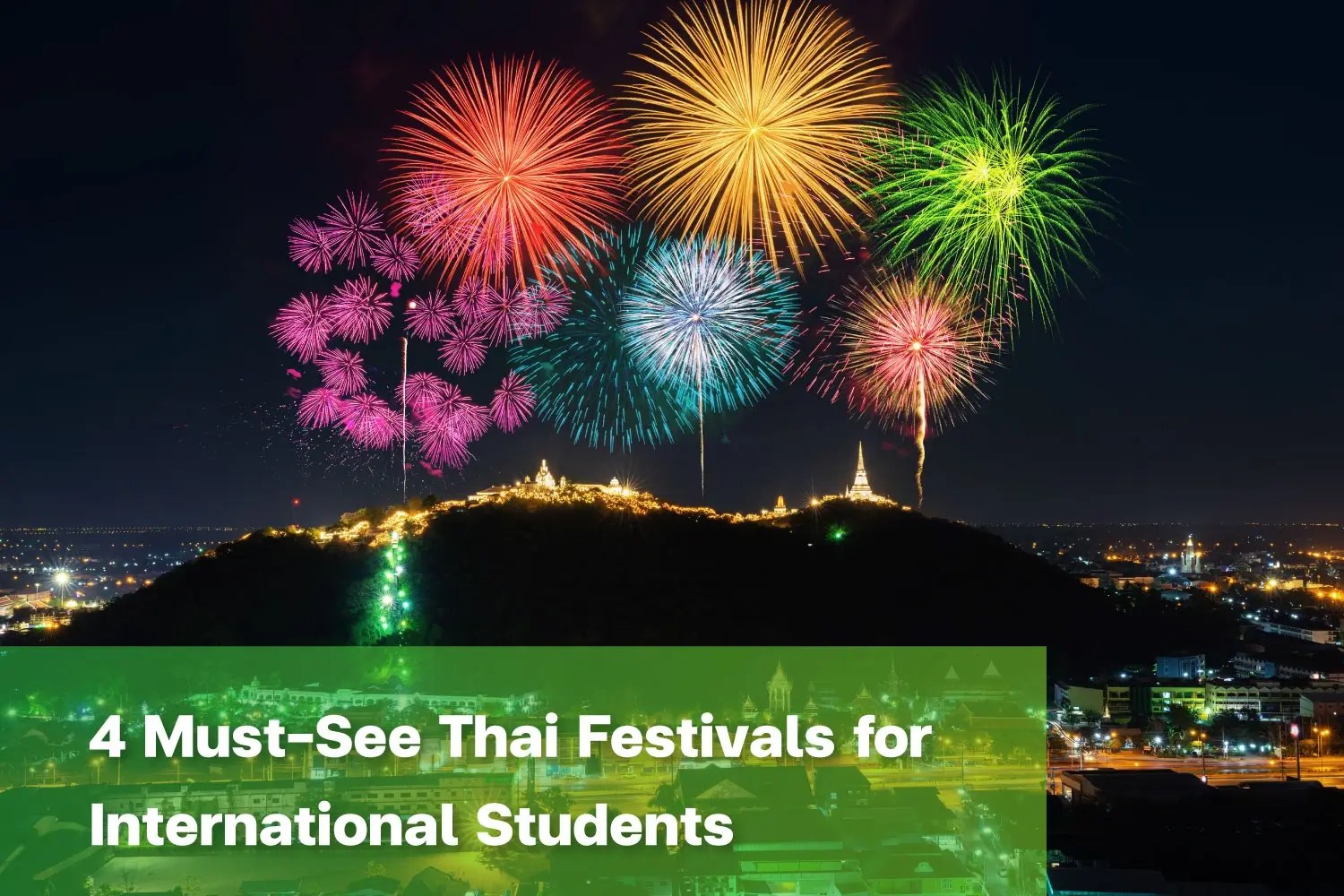
4 Must-see Thai Festivals Every International Student Should Experience!
Each festival carries its own story, meaning, and cultural context. Participating in these Thai festivals allows international students to see Thai society from a deeper perspective through real life experiences that cannot be learned from books alone.
1. Songkran Festival
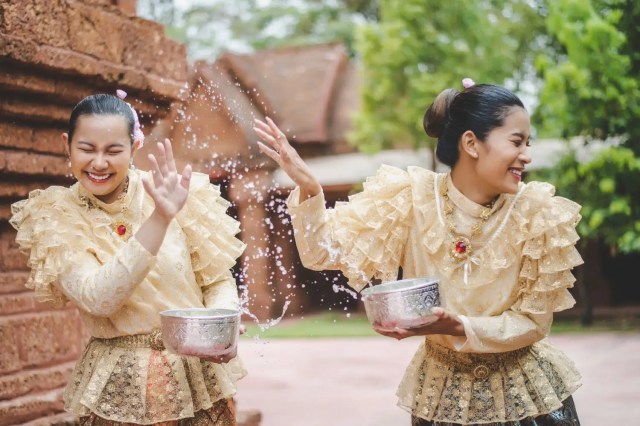
Songkran is one of the most internationally recognised festivals in Thailand, and is truly a must see for both locals and visitors. Celebrated annually from 13 to 15 April, Songkran marks the traditional Thai New Year and is one of the most iconic Thai culture festivals.
Many people associate Songkran with joyful water splashing, water guns, bowls of water, and playful white powder on faces. While these elements add fun and excitement, the true essence of this traditional festival lies in respect and gratitude. Activities such as pouring water over elders’ hands, making merit at temples, bathing Buddha images, and spending quality time with family are central to the celebration.
For international students, Songkran provides valuable insight into the importance of family bonds and social respect within Thai society, making it one of the most meaningful festivals in Thailand to experience.
2. Loy Krathong Festival
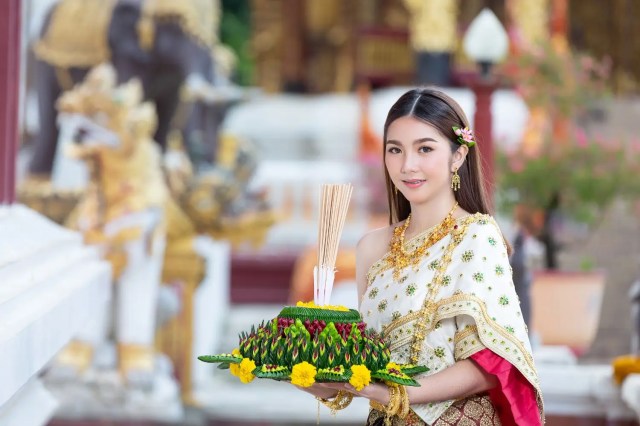
Loy Krathong takes place on the full moon night of the twelfth lunar month each year and is one of the most graceful Thai culture festivals. Believed to date back to the Sukhothai period, this festival reflects deep respect for nature, particularly rivers, which have long sustained Thai communities.
Floating “krathong” symbolises balance between humans and the environment, as well as letting go of past misfortune to welcome a hopeful new beginning. For international students, this cultural event demonstrates that the beauty of Thai festivals extends beyond stunning night time scenery. It also embodies spiritual values and emotional depth rooted in Thai culture.
3. Yi Peng Festival
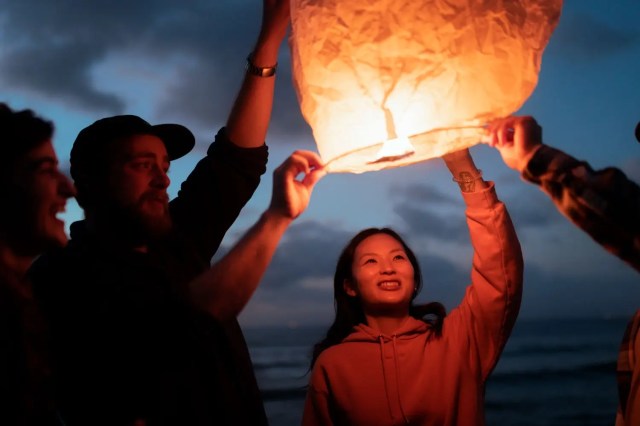
Yi Peng is an important northern Thai festival. It is celebrated at the same time as Loy Krathong but has distinct Lanna cultural origins. Its most recognisable feature is the release of glowing sky lanterns into the night sky.
Traditionally, releasing lanterns symbolises letting go of bad luck and sending wishes toward the future. For international students, witnessing thousands of lanterns rising together creates an unforgettable memory. This festival also offers insight into regional diversity within Thailand, highlighting cultural differences between local communities and major cities, and reinforcing the richness of festivals in Thailand.
4. Phi Ta Khon Festival
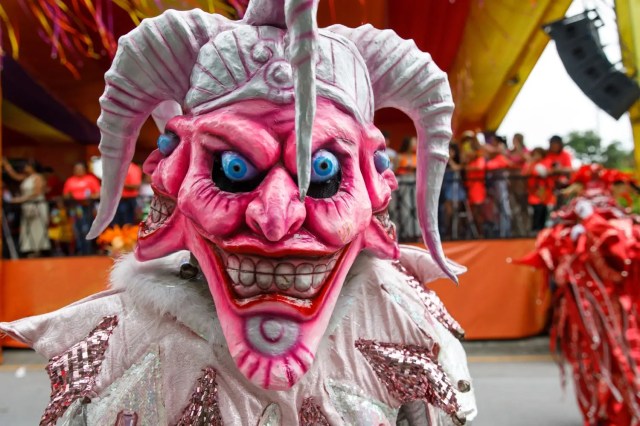
Phi Ta Khon (Ghost Festival) is a famous local festival held in Dan Sai District, Loei Province. It is one of the most distinctive Thai festivals, known for its colourful ghost masks, lively parades, and rituals rooted in local beliefs.
This traditional festival is linked to Buddhist stories and folk traditions, particularly rituals related to rainfall and inviting prosperity back to the community. For international students, Phi Ta Khon shows that Thai culture festivals are not only gentle or serene but also vibrant, imaginative, and community driven. It reflects the enduring role of belief, religion, and unity in Thai society at the local level.
How to Join Thai Festivals for International Students
To make participation in Thai festivals a truly rewarding experience, preparation and cultural awareness are essential. International students can enhance their understanding of Thailand cultural events by following these guidelines.
Learn the Meaning and Origins of Each Festival
Understanding the religious, historical, or cultural background of Thai festivals helps students interpret behaviours and activities more accurately. It also allows them to participate respectfully and appropriately in Thai culture festivals.
Dress Modestly and Appropriately for the Setting
Many Thai festivals take place in temples or sacred spaces. Wearing modest clothing such as sleeved tops and long trousers or skirts demonstrates respect for the venue and hosts, and reflects positively on international participants.
Respect Local Culture, Beliefs, and Traditions
Some activities involve specific customs such as removing shoes, avoiding physical contact with sacred objects, or maintaining calm behaviour during certain rituals. Observing and following local practices helps international students adapt more easily during festivals in Thailand.
Pay Attention to Safety and Social Responsibility
Thai festivals often attract large crowds. Students should take care of personal belongings, travel cautiously, and follow instructions from event organisers or supervising teachers at all times.
Conclusion
For international students, participating in Thai traditional festivals provides experiential learning that strengthens cross-cultural understanding, adaptability in multicultural environments, and a broader global perspective. These skills are vital for global citizens in the 21st century.
At St. Andrews International School, Green Valley, learning extends beyond the classroom into real life experiences within Thai society. We place strong emphasis on respecting local culture alongside delivering a world class international curriculum. This balanced approach allows students to grow academically and culturally, developing confidence, empathy, and readiness for the global stage.
Families who wish to experience our learning environment first hand are welcome to complete the enquiry form on our website to arrange a campus visit.