Topic Summary: Forest School supports children’s confidence, curiosity, resilience and independence through nature-based learning, outdoor exploration, experiential learning and meaningful challenges that connect naturally with the curriculum and eco-literacy.
Content Summary:
- Forest School builds confidence, independence and resilience through meaningful outdoor challenges and hands-on experiences.
- Nature-based learning supports language, maths, social skills and problem solving while connecting naturally with the wider curriculum.
- Regular experiences in nature help children develop curiosity, environmental awareness and a stronger foundation in ำco-literacy.
The term “Forest School” may have become more familiar to many families in recent years, but at St. Andrews International School, Green Valley, learning in nature is not simply a response to an educational trend. It has long been an established part of the school’s learning culture.
At Green Valley, children have opportunities to explore, ask questions, build and create, experiment with solutions, collaborate with friends and learn how to approach age-appropriate challenges. These experiences take place within the school’s green campus, allowing nature-based learning to become a natural part of everyday school life.
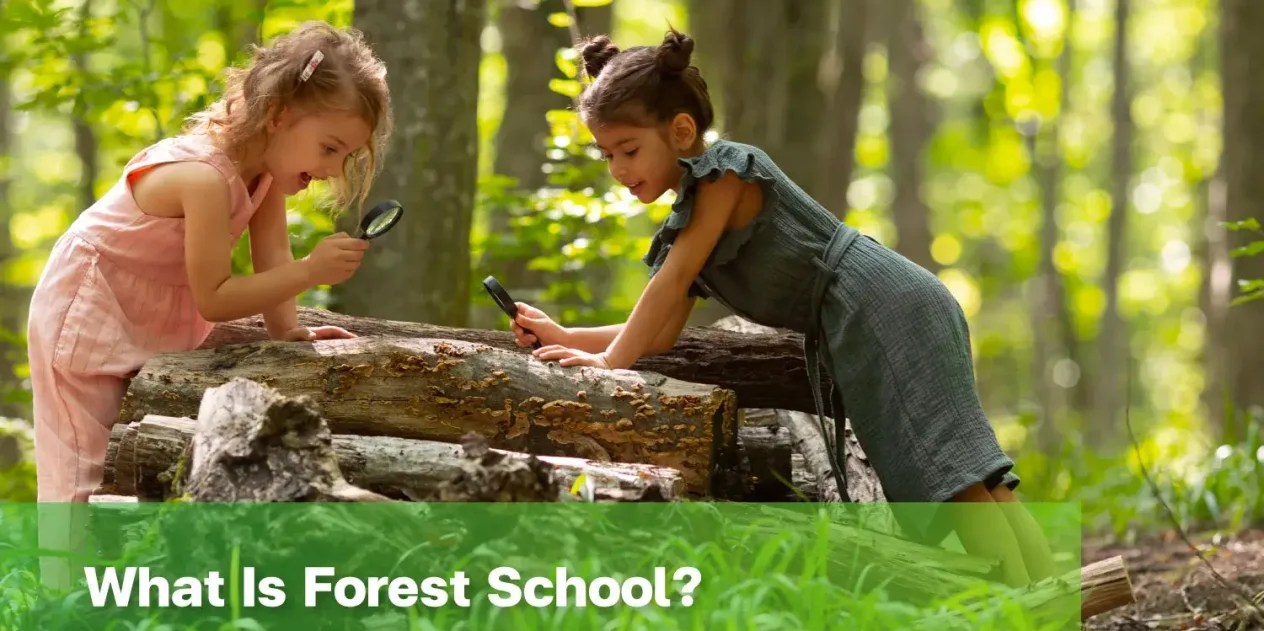
What Is Forest School and What Do Children Learn from Nature?
At the heart of Forest School is the opportunity for children to learn through practical experiences in natural surroundings. This is particularly valuable during the Early Years, when movement, exploration and first-hand experiences play an important role in how young children learn.
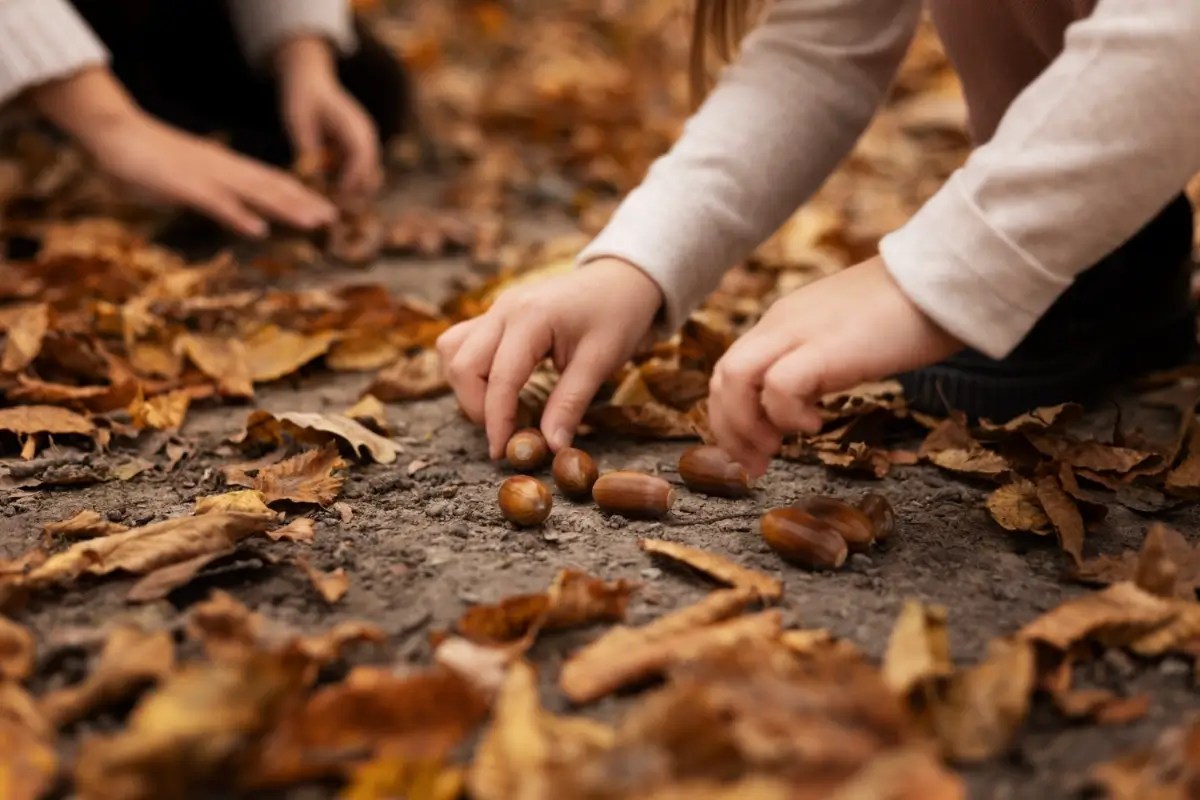
During a Forest School experience, children might build shelters using natural materials, investigate leaves and insects, learn to use tools safely, create stories inspired by what they discover, design pathways, solve problems together through games or learn how to care for natural spaces.
From the outside, these activities may look like ordinary play. However, they involve several layers of learning taking place at the same time. Children need to listen to other people’s ideas, communicate and negotiate with friends, share responsibilities, make plans and adapt their approach when their first attempt does not work. They also develop both fine and gross motor skills, learn to assess risk and practise making age-appropriate decisions independently.
For this reason, outdoor education offers much more than simply changing the location in which learning takes place. It gives children opportunities to develop practical skills that can be used in everyday life, including confidence, creativity, responsibility, communication, self-regulation and resilience when facing challenges.
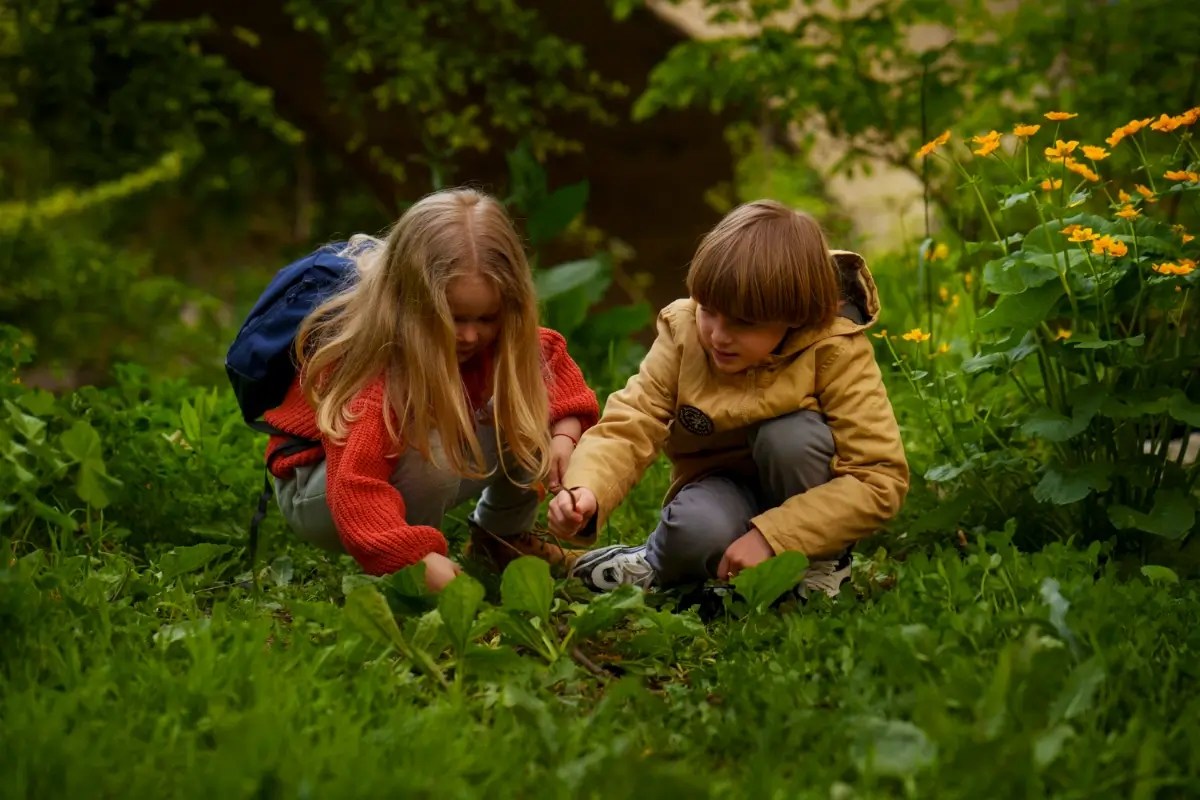
The Forest School Experience Builds Confidence Through Small Achievements
A child’s confidence can sometimes begin with something as simple as tying a knot independently for the first time, balancing on a log, helping a friend build a shelter, raising a hand to share an idea or trying again after an initial attempt has not worked. A meaningful Forest School experience creates regular opportunities for these small but important achievements.
Children also have space to demonstrate their strengths in different ways:
- A child who is relatively quiet in the classroom may become a leader during a collaborative building activity.
- A child who finds writing challenging may show exceptional imagination while creating a story outdoors.
- Another child who is less confident when encountering something new can gradually develop courage through familiar activities and routines within the Forest School programme.
This is one of the key strengths of experiential learning because it gives children the opportunity to discover that success can take many different forms.
Early Years Forest School: Giving Children Opportunities to Take On Challenges
Early Years Forest School connects naturally with many areas of early childhood learning because young children often understand concepts more effectively when they can relate what they are learning to real experiences.
Language Development
Language development can take place when children have something interesting to observe and discuss. If they discover an insect, for example, they may ask questions, describe its features or share their observations with friends. Early scientific thinking also begins through observation, comparison, experimentation and finding answers to questions.
Mathematical
Mathematical concepts can also emerge through nature learning for children, including counting objects, comparing sizes, identifying shapes and patterns, measuring distances or using simple calculations while building and creating.
Collaborative Activities
Collaborative activities also support social and emotional development. Children learn to wait, share, manage their emotions and work with others as part of their Early Years Forest School experiences.
How Does the Forest School Programme Connect with the Curriculum?
The Forest School programme at Green Valley does not sit separately from academic learning. Instead, it supports and enriches what children learn across other areas of school life. This approach connects naturally with the foundations of the British curriculum, as well as the IB Learner Profile, the school’s Skills for Life philosophy and its commitment to eco-literacy.
For example, children who explore their surroundings and ask questions are developing the qualities of an inquirer. When they plan how to solve a problem, they are strengthening their thinking skills. When they exchange ideas with friends, they are practising communication. When they are willing to try something new within appropriate boundaries and learn from the outcome, they are developing the confidence to approach challenges in a thoughtful way.
At the same time, children learn about care, responsibility and reflection through real experiences. These qualities become skills that children can practise repeatedly through experiential learning, outdoor education and the wider Forest School programme.
Conclusion
Forest School is much more than taking children outside for activities. It creates a learning environment where children can develop through nature and first-hand experience, including exploration, problem solving, collaboration, decision making and trying again when things do not go as expected. These experiences help build the foundations for children to become confident, curious and resilient learners who understand their relationship with the world around them.
At St. Andrews International School, Green Valley, the Forest School experience forms part of a holistic approach to education and connects naturally with the curriculum, outdoor education, experiential learning and eco-literacy. Children are therefore not simply learning about nature. They are growing and developing through nature as part of a meaningful Forest School programme.
For families looking for an international school on the Eastern Seaboard that combines academic learning with practical experiences and a green learning environment, book a school tour to visit St. Andrews International School, Green Valley and experience the school’s learning environment first hand.
Frequently Asked Questions About Forest School (FAQs)
Q: What should children wear for Forest School activities?
A: Children should wear comfortable clothing and suitable footwear that allow them to move freely and explore outdoors. Clothing that is appropriate for the weather also helps children participate confidently in different Forest School activities.
Q: Does Forest School take place in different weather conditions?
A: Forest School activities can often continue in a variety of weather conditions, provided it is safe to do so. Experiencing changes in weather can also give children new opportunities to observe how the natural environment changes throughout the year.
Q: Is Forest School suitable for children with different personalities and learning styles?
A: Yes. A Forest School experience can offer children different ways to participate, whether they enjoy physical activity, creative exploration, observation, problem solving or collaborative tasks. This flexibility can help children engage with learning in ways that suit their individual interests, confidence levels and learning styles.