

Topic Summary: Time management for students helps improve focus, reduce procrastination, and maintain school life balance through practical techniques, structured schedules, and effective tools that support academic success and overall wellbeing.
In a modern student’s daily life, time is divided across multiple commitments, from classroom learning and homework to extracurricular activities, social time, and personal moments often spent on screens. With such a packed routine, an important question arises: are students truly using their time effectively?
This is where time management for students becomes essential. It is not simply about filling a timetable with activities, but about making intentional choices and creating balance between what is necessary and what is meaningful. In reality, successful students do not have more time than others. They simply use their time with greater clarity and purpose.
At St. Andrews International School, Green Valley, learning is designed to integrate both academic excellence and life skills. Students are guided not only in what to learn, but also in how to manage their time effectively. This approach supports balanced development across academic performance, mental wellbeing, and overall happiness, reinforcing the importance of school-life balance in everyday student life.
Why Time Management Is Important for Students?
Understanding why time management is important for students begins with recognising that it is the ability to make thoughtful decisions about priorities. Students who develop strong time management for students’ skills benefit in several ways:
- Reduced academic stress and pressure.
- Improved productivity and learning efficiency.
- More time for rest and personal interests.
- Stronger sense of responsibility and self-discipline.
On the other hand, poor planning often leads to accumulated stress and can contribute to signs of student burnout, making effective time management a critical life skill.
Signs of Student Burnout
Burnout does not happen overnight. It gradually develops from prolonged pressure and ineffective time management. Recognising the signs of student burnout early allows students to restore balance before it impacts their wellbeing.
Key indicators include:
- Feeling constantly tired, even without heavy activity.
- Loss of motivation towards studies or favourite activities.
- Reduced concentration and slower performance.
- Increased irritability or emotional exhaustion.
- Poor sleep quality or insufficient rest.
Understanding these signs of student burnout reinforces the importance of building sustainable routines and maintaining the importance of school-life balance.

5 Time Management Techniques Every Student Should Know
Effective time management for students often begins with simple tools that organise daily habits and thinking patterns. The following globally recognised techniques can be adapted for students of all ages and are especially helpful when prioritising study vs. social life.
1. Pomodoro Technique
The Pomodoro technique divides study time into focused intervals, typically 25 minutes, followed by a 5-minute break. This structured rhythm allows the brain to reset regularly, improving concentration and reducing fatigue.
It is particularly effective for revision sessions or tasks requiring sustained focus, helping students overcome procrastination and stay engaged.
2. Time Blocking
Time blocking involves assigning specific time slots to each activity throughout the day, such as studying, completing homework, or relaxing. This method reduces decision fatigue and provides a clear overview of daily commitments.
By using time blocking, students can better visualise how they spend their time and maintain stronger control over their schedule, supporting better time management for students.
3. Eisenhower Matrix
The Eisenhower matrix helps students prioritise tasks by categorising them based on importance and urgency. Tasks are divided into 4 groups:
- Important and urgent.
- Important but not urgent.
- Urgent but not important.
- Neither urgent nor important.
This technique strengthens decision making skills and reduces overwhelm, especially when managing multiple responsibilities and prioritising study vs. social life effectively.
4. Daily Study Schedule Template
A daily study schedule template provides structure and consistency. For example, students can set time aside after school for revision, allocate evenings for homework, and review lessons before bed.
Using a daily study schedule template eliminates the need to decide what to do each day, helping students build discipline and long-term learning habits while improving overall time management for students.
5. Overcoming Procrastination
Procrastination is one of the biggest barriers to effective time management for students. Starting with small tasks, setting short term goals, and reducing distractions such as mobile phones or social media can make it easier to begin.
Taking immediate action, even in small steps, builds momentum and gradually reduces procrastination, leading to more consistent productivity.
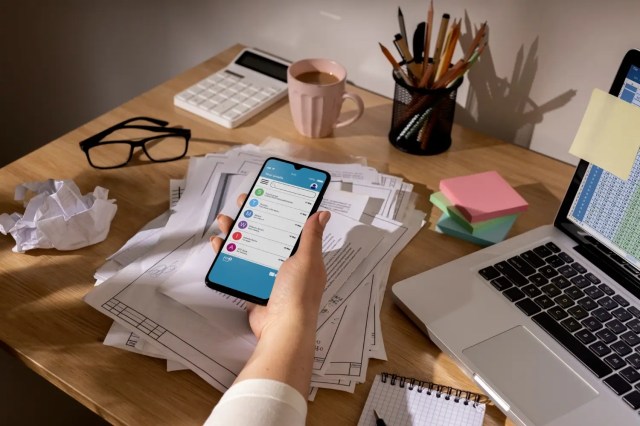
Best Time Management Apps for Students 2026
In today’s digital age, technology can act as a powerful support system. When used wisely, it enhances time management for students and helps maintain the importance of school-life balance.
Here are some of the best time management apps for students 2026:
Notion
An all in one platform that organises schedules, notes, and projects in one place. Notion allows students to create flexible systems tailored to their personal learning style, supporting effective time management for students.
Todoist
A simple yet powerful task management app that helps break large tasks into smaller steps, set deadlines, and track progress. It is ideal for building discipline and reducing missed deadlines.
Forest
Designed to improve focus, Forest uses a virtual tree planting concept. Each time students stay focused, their tree grows. If they use their phone, the tree stops growing. This approach helps reduce distractions and combat procrastination.
Google Calendar
A highly effective tool for time blocking, allowing students to plan daily, weekly, and monthly schedules with reminders. It provides a clear overview of commitments and prevents scheduling conflicts.
TickTick
TickTick combines task management with the Pomodoro technique, enabling students to plan tasks while managing focus sessions in one app. It is ideal for improving productivity and structured routines.
Conclusion
Time management for students is not just about completing tasks on time. It is the foundation of a balanced and fulfilling life. Students who manage their time effectively learn more deeply, focus better, and create space for rest and emotional safety.
At St. Andrews International School, Green Valley, learning is designed to nurture both academic knowledge and essential life skills. Students are supported in developing strong time management for students’ abilities within an environment that values individuality and promotes the importance of school-life balance.
For parents seeking an international school that prioritises both academic achievement and student wellbeing, providing the right environment from an early stage can make a lasting difference. You are warmly invited to learn more or book a school tour to experience our learning community first hand and discover how we help unlock every student’s full potential.
Frequently Asked Questions About Time Management for Students (FAQs)
Q: How can parents support time management for students at home?
A: Parents can support time management for students by helping establish consistent routines, encouraging the use of a daily study schedule template, and modelling good habits themselves. Creating a structured yet flexible environment also reinforces the importance of school-life balance.
Q: What are the early warning signs that poor time management is affecting academic performance?
A: Early signs include missed deadlines, last minute work, declining grades, and increased procrastination. These may also develop into signs of student burnout if not addressed early through better planning and prioritisation.
Q: Are time management techniques suitable for younger students as well?
A: Yes, techniques such as the Pomodoro technique or simple Time Blocking can be adapted for younger learners. Introducing these methods early helps build lifelong skills in time management for students and supports better habits in prioritising study vs. social life.