
Topic Summary: Sensory play helps young children learn through touch, movement, sound and exploration, supporting confidence, creativity, language, emotional regulation and early childhood development through meaningful hands-on experiences in everyday learning.
Content Summary:
- Sensory play supports early development by engaging children’s senses in meaningful and stimulating ways.
- It helps build language, confidence, creativity, emotional control and both fine and gross motor skills as children explore and interact with their environment.
- Activities can include sand and water play, nature exploration, creative art projects, sound discovery and imaginative role play, all of which encourage curiosity and learning.
In the early years, children do not learn only by listening or memorising. They learn by touching, experimenting, observing, moving and using their senses to make sense of the world around them. These experiences are at the heart of sensory play, one of the most valued approaches in early childhood education. Sensory play supports children’s physical, emotional, social, language and thinking skills in a natural and meaningful way.
At St. Andrews International School, Green Valley, play is an important part of a meaningful learning experience. This is especially true in early years, when children are building the foundations for lifelong learning. Carefully designed early childhood development activities through sensory play help children grow with confidence, curiosity and a love of learning from the very first steps of their educational journey.
What is Sensory Play?
Sensory play is a form of learning that gives children opportunities to use their five senses, including sight, hearing, touch, smell and taste. It also involves body movement, balance and an awareness of where the body is in space. Through sensory play, children can explore the world around them freely, safely and with purpose.
Simple examples of sensory play include:
- Playing with water.
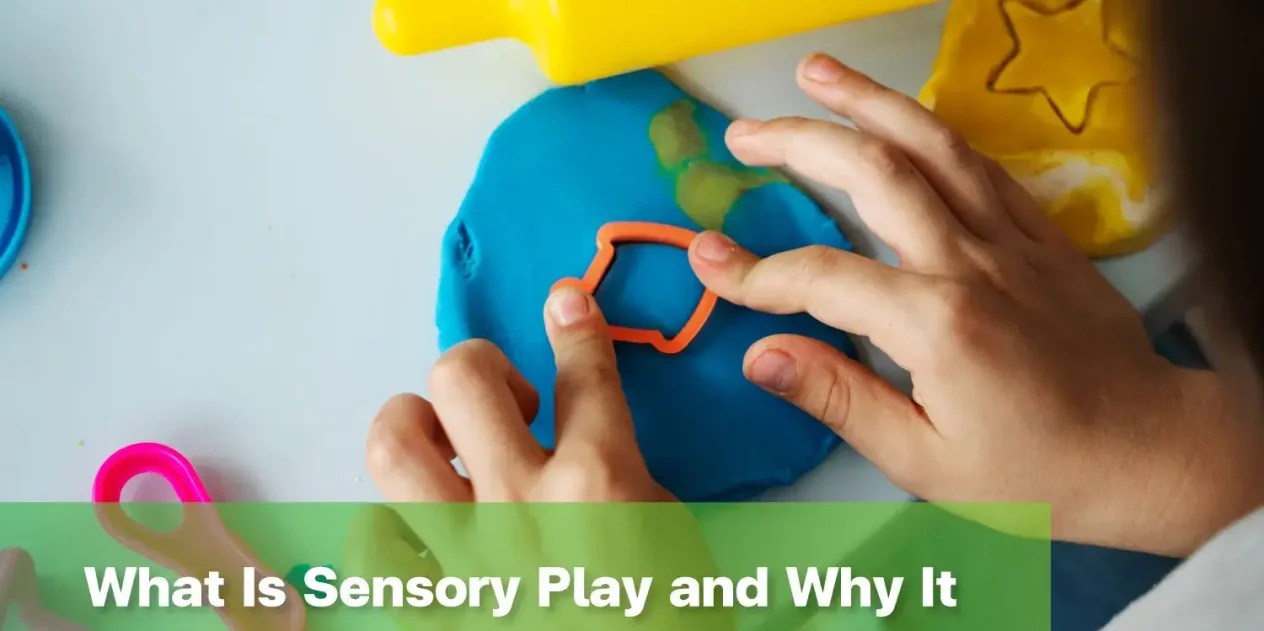
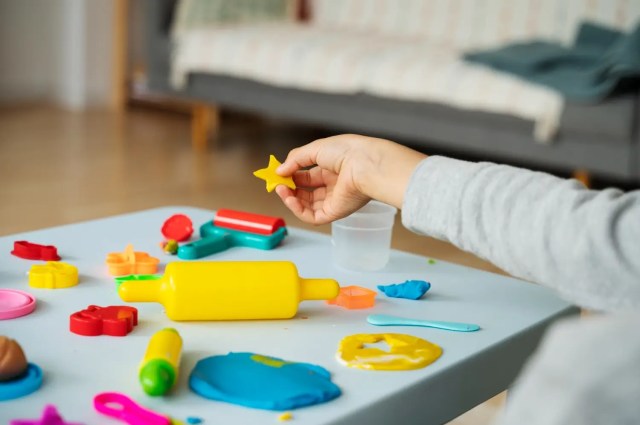
- Moulding playdough.
- Pouring sand into containers.
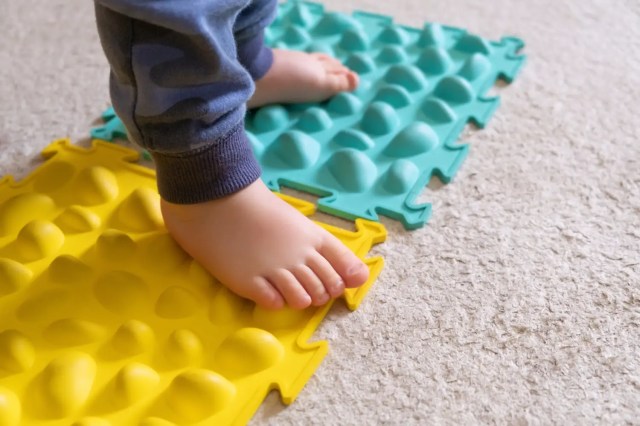
- Touching materials with different textures.
- Listening to natural sounds.
- Exploring light.
- Colour and shadow.
- Taking part in art activities where children use their hands to touch paint directly.
Why is Sensory Play Important for Young Children?
Young children learn best when they are actively involved. During the early years, the brain develops rapidly. Rich sensory experiences help the brain build new connections, which support thinking, communication, emotional regulation and future problem solving skills.
It Helps Children Understand the World Around Them
When children touch fine sand, feel cool water, pour beans from one cup to another, or observe colours mixing together, they are naturally learning early ideas in science, mathematics and language. Through sensory play, children begin to understand words and concepts such as heavy, light, more, less, dry, wet, slippery, rough, soft, fast, slow and changing.
It Supports Confidence and Independence
Sensory play gives children the chance to make choices and take control of their own play. A child may decide which cup to pour water into, whether to use a brush or their hands for painting, or whether to mix two materials together. These small decisions help children gradually build confidence, feel capable and become more willing to try new things.
It Supports Emotional Regulation
Some types of sensory play can feel calming for young children, such as playing with water, moulding dough, exploring sand or listening to gentle sounds from nature. These activities can help children settle, concentrate and learn how to manage their feelings in appropriate ways.
Benefits of Sensory Play for Child Development
Sensory play and child development are linked through physical skills, language, creativity, social interaction and readiness for learning.
It Develops Fine and Gross Motor Skills
Scooping, pouring, gripping, squeezing, moulding, twisting, tearing and picking up small objects all help develop the small muscles in the hands and fingers. These fine motor skills are essential foundations for writing, using scissors, fastening buttons and managing everyday self-care tasks.
It Supports Language and Communication
When children touch and explore different materials, they begin to develop new vocabulary to describe their experiences. They may use words such as soft, sticky, hard, cold, fragrant, loud, quiet, slippery or wet. Teachers can use these moments to talk with children, ask questions and encourage them to describe what they are doing.
It Stimulates Creativity
Play that does not have one fixed answer gives children space to use their imagination fully. A piece of playdough may become a cake, a mountain, an animal or a small house in a child’s mind. A tray of sand may become a beach, a town or a funfair. Sensory play activities for children support flexible thinking, creativity and the understanding that one object can have many possibilities. These skills form an important foundation for future problem solving and innovation.
It Builds the Foundations of Scientific and Mathematical Thinking
When children pour water from a large container into a smaller one, they are learning about capacity. When they arrange stones by size, they are learning about sorting and sequencing. When they mix two colours together, they are observing change and beginning to form simple hypotheses. These experiences are the beginnings of age appropriate scientific and mathematical thinking. Sensory play allows children to explore these concepts naturally, without always needing worksheets or formal instruction.
It Supports Social Skills
Sensory play is often an activity that children can enjoy together. They may share resources, wait for their turn, build something as a group or talk about what they are making. Through these real situations, children practise social skills in a meaningful way.
Children gradually learn how to communicate, share, listen to others and respect their friends’ space. These are important skills for life in the classroom and in the wider community. This is another reason why sensory play and child development are so closely connected.
Conclusion
Sensory play is a learning process that is deeply connected to child development. It supports physical skills, language, creativity, emotional growth, social development and problem solving. Learning through sensory play helps children understand the world through real experiences and develop a positive attitude towards learning from the earliest years.
St. Andrews International School, Green Valley provides age appropriate experiences through early childhood development activities. These experiences help children explore, think, create and grow with confidence.
Parents who would like to experience the learning environment first hand can book a school tour to learn more about the approach to early years education. A school visit can help families understand how meaningful play, including sensory play, can build important foundations for a child’s future.
Frequently Asked Questions About Sensory Play (FAQs)
Q: Should children who do not like touching certain materials still take part in sensory play?
A: Each child responds to sensory experiences differently. Some children may not like touching materials that feel sticky, wet, messy or unfamiliar, and this is completely normal. Adults should not force children to take part straight away. Instead, children can be given time to observe, touch a material briefly, or choose a texture that feels more comfortable.
Q: Is sensory play for toddlers different from sensory play for older children?
A: Sensory play for toddlers should be simple, safe and closely supervised, as toddlers are still developing their motor skills, language and ability to explore materials appropriately. Activities may include water play, soft fabrics, large natural objects, textured balls, safe musical sounds or simple pouring activities.
For older children, sensory play can become more complex, with more opportunities for problem solving, storytelling, teamwork and creative experimentation.
Q: How often should sensory play activities for children be provided?
A: Sensory play can happen regularly as part of everyday life. It does not need to be a large activity every time. Children may begin with short sessions of around 10 to 20 minutes, depending on their age, interest and attention span. What matters most is the quality of the experience. Children should be able to play safely, without feeling rushed, and should have opportunities to talk, observe, experiment and reflect on what they have learned.