Topic Summary: Project-based learning helps students connect classroom knowledge with real-world experiences, building critical thinking, creativity, communication, teamwork and confidence through meaningful PBL activities that prepare them for future success.
Content Summary:
- Project-based learning helps students connect classroom knowledge with real-world situations through questions, research, problem-solving and hands-on projects.
- Students develop essential future-ready skills, including critical thinking, creativity, communication, confidence, teamwork and responsibility.
- PBL activities such as green school projects and young entrepreneurs’ market make learning more meaningful, practical and engaging.
Learning for modern students is no longer limited to listening to teachers explain lessons, memorising content, and achieving high scores in examinations. The real-world demands a much broader set of skills. Children need to learn how to ask questions, think critically, collaborate with others, communicate their ideas, and solve problems creatively. This is why project-based learning has become one of the educational approaches gaining significant attention in leading schools around the world.
At St. Andrews International School, Green Valley, this style of learning helps children connect classroom knowledge with real experiences around them, whether through the environment, community, technology, the arts, science, or global issues. It also helps them understand how knowledge can be used to create something new, solve problems, and make a positive impact.
What Is Project-Based Learning?
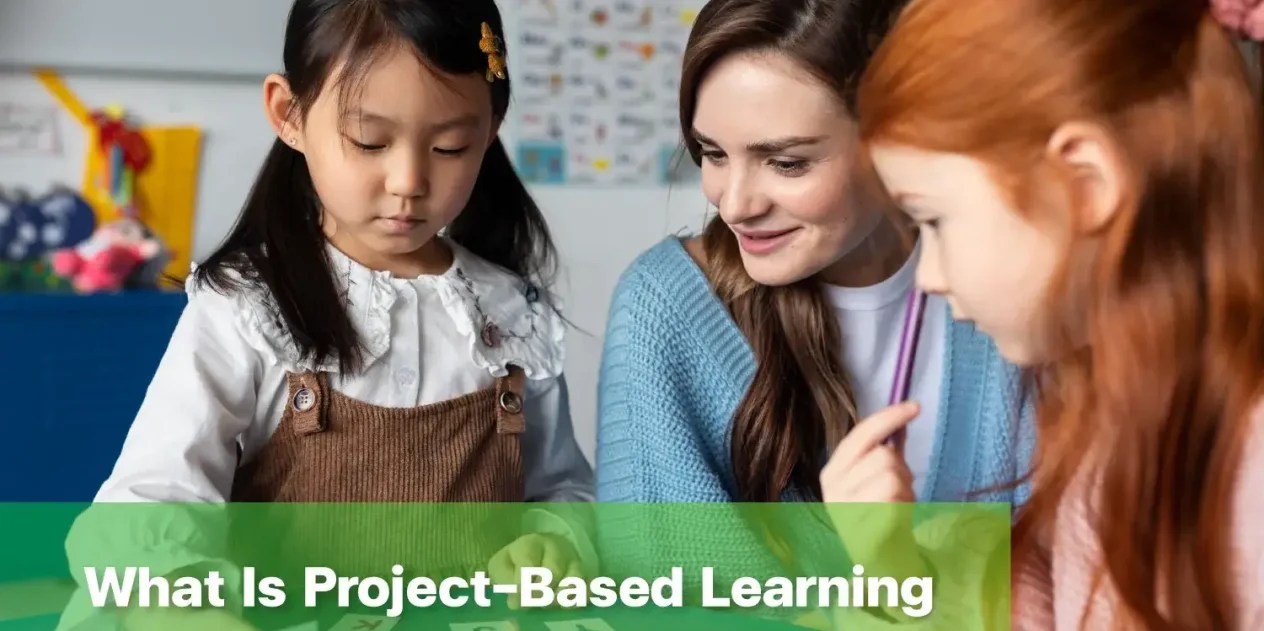
Project-based Learning (PBL) is a learning approach in which students work on a project as the central part of the learning process. It begins with a question, problem, or real-life situation. Students then research, plan, experiment, create, present, and reflect on their own learning.
Put simply, project-based learning transforms students from passive receivers of information into active creators of knowledge. Children do not wait for the teacher to explain every step. Instead, they practise thinking, making choices, making decisions, and learning from both success and mistakes along the way.
Why Is Project-Based Learning Suitable for Modern Learners?
Children today are growing up in a fast-changing world filled with information, technology, and challenges that do not always have fixed answers. Learning through memorisation alone is no longer enough. Project-based learning helps children develop essential future-ready skills for academic success, everyday life, and collaboration with others.
One of the key strengths of project-based learning is that it makes lessons more meaningful. When children learn mathematics through budget planning, science through clean energy experiments, or English through presenting a project to a real audience, knowledge is no longer something that exists only in textbooks. It becomes a practical tool that children can understand and apply in real life.
Benefits of Project-Based Learning for Student Development
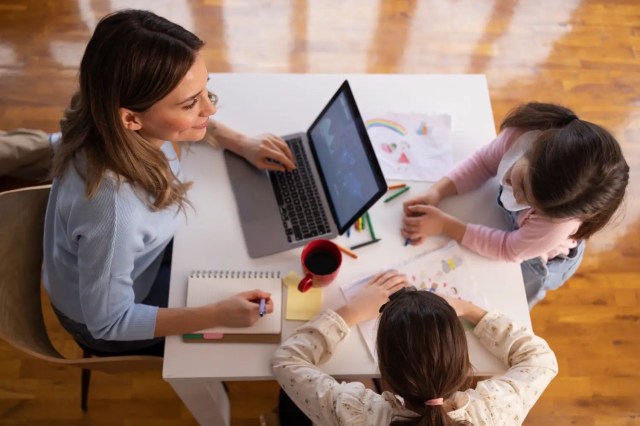
Project-based learning gives children the opportunity to develop real-world skills through a step-by-step process, from asking questions and conducting research to working with others and presenting their work with confidence.
When children learn through real experiences, they gradually begin to see the connection between classroom knowledge and the world beyond school. This becomes an important foundation for academic growth, personal development, and life skills for the future.
Developing Critical Thinking and Problem-Solving Skills
One of the key benefits of project-based learning is that it helps children practise structured thinking. When they encounter a challenge or problem, they begin by asking questions, gathering information, analysing options, and testing possible solutions by themselves. This process helps children become less afraid of problems. Instead, they gradually learn that every challenge can be managed with the right information, effort, and planning.
Building Confidence in Communication
A project often ends with a presentation, whether through speaking in front of the class, creating a poster, producing a video, or presenting to parents and the wider community. Through PBL, children learn how to organise their ideas, use language appropriately, and answer questions from others with confidence.
This skill is especially important in an international school setting. Communication is not only about being able to speak English. It also involves explaining ideas clearly, confidently, and convincingly.
Practising Real Teamwork
In the real world, success often comes from working well with others. PBL gives students the chance to understand their own role within a team. Some children may be skilled at research, some may be strong in design, some may be confident speakers, while others may be excellent at organising tasks.
When children recognise the value of different strengths, they gradually learn to listen to others, divide responsibilities, take ownership, and resolve conflict in a constructive way. This is one of the most practical benefits of project-based learning for long-term personal growth.
Making Learning Enjoyable and Meaningful
Children are more motivated when they know that what they are learning connects to real life. Examples may include designing a school vegetable garden, creating a campaign to reduce plastic waste, or developing an exhibition about international cultures.
These project-based learning activities help children see that lessons are not distant from their daily lives. Instead, learning becomes connected to their interests, their community, and the positive changes they can create.
Encouraging Creativity and Ownership of Learning
Project-based learning gives children more room to choose their own direction. They may choose a topic they are interested in, select how they want to present their work, or design an outcome that reflects their personality and ideas.
This helps children develop a sense of ownership over their learning. They are not simply completing a task because they have been told to do so. They become motivated because they want to see their own ideas come to life.
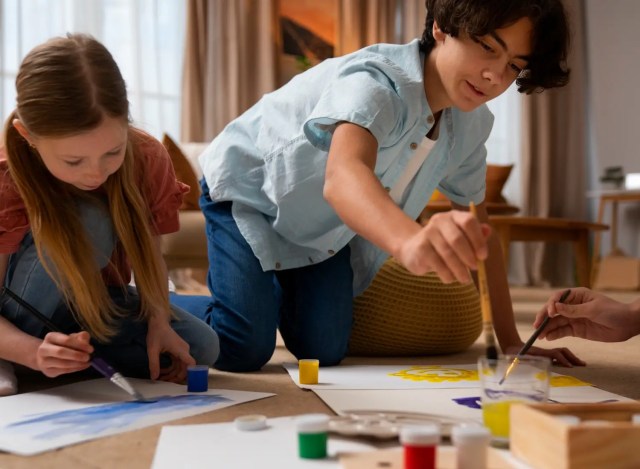
Inspiring Examples of Project-Based Learning Activities
Project-based learning activities can be designed in many ways, depending on students’ age, interests, and learning goals. The following examples show how one project can connect several subjects and create a deeper, more meaningful learning experience.
A “Green School” Project for Sustainable Environmental Action
Students may begin by surveying the amount of waste produced in school, analysing different types of waste, and designing ways to reduce it. Their ideas might include recycling points, educational signs, or campaigns to reduce plastic use.
This project-based learning activity connects science, mathematics, English, art, and citizenship education. Children learn about the environment while practising data collection, communication, and positive action within the school community.
A “Young Entrepreneurs’ Market” Project
This activity invites students to design a product, plan costs, set prices, create promotional materials, and try selling their product in a real setting. Children learn mathematics, economics, marketing, design, and communication through authentic experience.
Most importantly, they begin to understand that business success does not come from ideas alone. It also requires planning, responsibility, and the ability to adapt based on customer feedback. This is a strong example of how PBL can connect classroom learning with real-world skills.
Conclusion
Project-based learning is an approach that helps children understand how learning can connect with real life. Through asking questions, taking action, experimenting, solving problems, working with others, and presenting their ideas with confidence, students become active participants in their own learning journey.
For families looking for an international school that values meaningful learning, well-rounded development, and preparation for the real world, St. Andrews International School, Green Valley offers a learning environment where children can grow with confidence as learners, thinkers, and global citizens. Families are welcome to book a school tour to experience a learning environment that helps every child discover their full potential.