
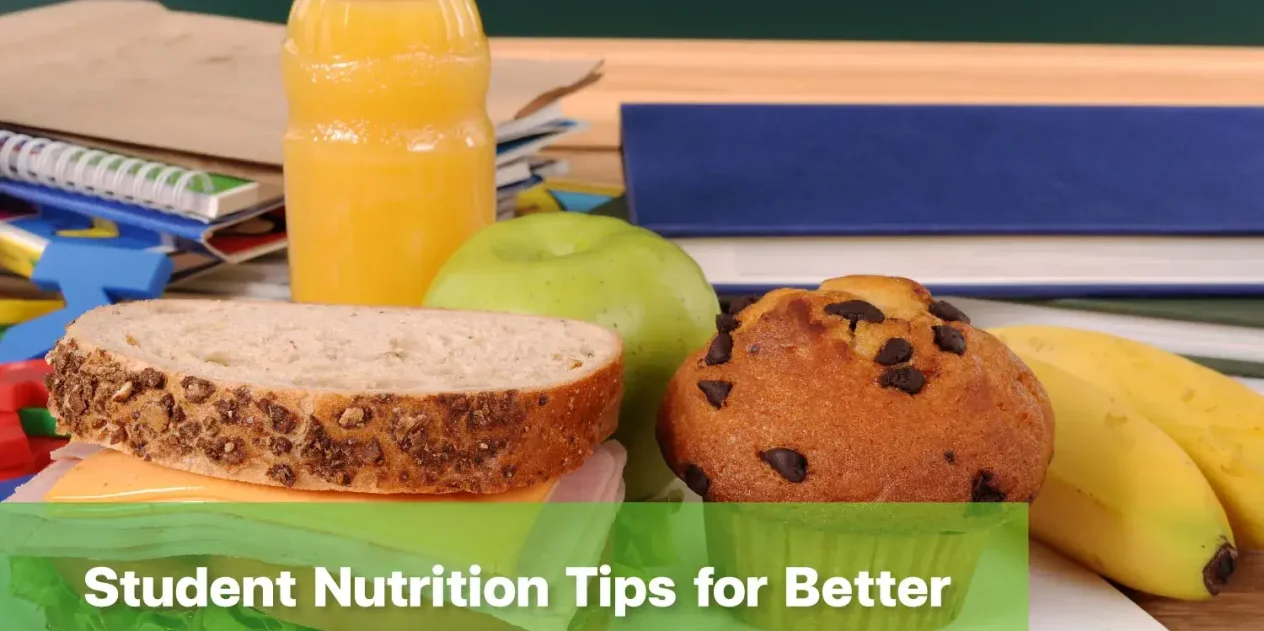
Topic Summary: Healthy eating habits for students support better focus, steady energy and overall wellbeing through balanced meals, smart snacks, hydration, meal planning and practical nutrition choices for busy school days.
Content Summary:
- Healthy eating habits for students help support focus, memory, mood, energy levels and overall wellbeing throughout busy school days.
- A balanced diet for students should include complex carbohydrates, quality protein, fruit, vegetables, healthy fats and enough water.
- Practical student nutrition tips, such as meal planning, choosing healthy snacks and reading food labels, help students build good eating habits for daily life.
Every day, students are surrounded by many activities, from classroom learning, homework and exam preparation to sport, clubs, time with friends and family, and personal responsibilities. With such a busy schedule, food can sometimes become something students overlook. Some students rush out of the house without breakfast, choose snacks that are convenient rather than nutritious, or eat at irregular times because they are trying to finish schoolwork or move between activities.
At St. Andrews International School, Green Valley, we recognise that food is the fuel that supports learning, concentration, memory, mood and students’ wellbeing. This is why we place importance on healthy eating for students. When children receive the right nutrients, get enough rest and build good eating habits, they are better prepared to learn with confidence and manage the challenges of each day.
Why Are Healthy Eating Habits for Students Important?
Healthy eating habits for students affect both the body and mind, especially during the school years when the body is still growing and the brain needs energy for thinking, analysing, remembering and problem solving. If students do not receive enough nutrients, or regularly choose foods high in sugar, fat or sodium, they may feel tired, hungry more often, less focused, or more emotionally unsettled.
On the other hand, good eating habits help students maintain steady energy throughout the day, reduce drowsiness during lessons and support better brain function. A well nourished diet also helps strengthen the immune system, keeping students ready for a wide range of activities in the classroom, on the sports field and in other creative learning spaces around the school.
The Basics of a Balanced Diet for Students
A balanced diet for students means receiving all the main nutrients in suitable amounts, so the body has enough energy and the essential nutrients needed for growth.
In each meal, students should ideally include the following:
- Complex carbohydrates, such as brown rice, wholemeal bread, potatoes, oats or grains, to provide energy that is released gradually and consistently.
- Good quality protein, such as eggs, fish, chicken, tofu, beans or yoghurt, to help build muscle, repair the body and keep students feeling full for longer.
- Vegetables and fruit, which provide vitamins, minerals and fibre to support digestion and immunity.
- Healthy fats, such as avocado, nuts, seeds, olive oil or oily fish, to support brain function.
- Water, which helps keep the body refreshed, reduces tiredness and supports better brain performance.
When students understand the principles of a balanced diet for students, making better food choices each day becomes easier, whether it is breakfast at home, lunch at school, or a snack between after school activities.

Healthy Snacks for Students: How to Choose Options That Are Both Tasty and Nutritious
Snacks are an important part of nutrition for busy students, as many students need energy continuously from morning until evening, especially those who take part in sport, music, art or enrichment activities after school. The right snacks can help top up energy during the day and reduce the chance of overeating at the next meal.
Examples of healthy snacks for students include:
- Fresh fruit, such as bananas, apples, oranges or grapes.
- Natural yoghurt or low sugar yoghurt.
- Unsalted roasted nuts in a suitable portion.
- A small wholemeal sandwich with egg or chicken breast.
- Plain milk or unsweetened plant based milk.
- Vegetable sticks with yoghurt dip or hummus.
The key is to choose snacks that help students feel full for longer, do not cause blood sugar levels to rise and fall too quickly, and provide useful nutrients rather than empty calories. Sweets, fizzy drinks and crisps can be enjoyed occasionally, but they should not become the main everyday choice.

Practical Student Nutrition Tips
Building good eating habits should begin with realistic steps that feel manageable and fit naturally into students’ daily lives. The following student nutrition tips can help make healthy eating for students easier.
Eat at Regular Times Where Possible
Eating at regular times helps the body maintain steady energy and reduces the chance of becoming extremely hungry and then overeating. Having a simple meal schedule also helps students learn how to plan their day more effectively.
Drink Enough Water Throughout the Day
Sometimes tiredness or reduced concentration can be linked to not drinking enough water. Students should carry a water bottle with them and sip water regularly, especially on hot days or when taking part in outdoor activities.
Choose a Variety of Foods Without Being Too Restrictive
Healthy eating habits do not mean students must avoid all the foods they enjoy. Instead, they should learn balance, choose a variety of foods and focus mainly on nutritional value.
Read Food Labels Before Eating
Reading food labels helps students better understand the amount of sugar, sodium and fat in packaged foods. This small skill can help them make smarter food choices and take greater responsibility for their own health.
Connect Food Choices with How the Body Feels
When students notice that certain foods help them feel refreshed, full for longer, or more focused, they begin to understand how healthy eating for students affects real life. It becomes more than just a rule from adults, and starts to feel like a meaningful part of self care.
Conclusion
Healthy eating habits for students with busy schedules are closely connected to learning, energy levels and everyday wellbeing. Whether it is choosing a balanced diet for students, meal planning for students, selecting healthy snacks for students, or learning suitable student nutrition tips, each element helps students take better care of themselves.
For St. Andrews International School, Green Valley, caring for students also means supporting wellbeing, life skills and the confidence to grow in an international community. When children are encouraged to build healthy eating habits from their school years, they develop a strong foundation for their body, mind and thinking, helping them move towards the future with balanced and sustainable energy.
To experience a learning environment that values the holistic development of every child, families are welcome to book a school tour, visit the campus, speak with the team and discover a warm, high quality learning community today.