
Topic Summary: Explore the importance of community service and character development, and discover how service learning in schools develops empathy, responsibility, leadership, and the lasting benefits of community service for students.
Content Summary:
- Community service helps students develop empathy, responsibility, honesty, resilience and humility through meaningful real-world experiences.
- Service learning in schools strengthens communication, teamwork, leadership and confidence while helping students recognise their ability to create positive change.
- At St. Andrews International School, Green Valley, community engagement supports holistic development and prepares students to become thoughtful, capable and responsible global citizens.
Education is about far more than helping children read well, solve mathematical problems, or achieve excellent examination results. It should also help young people grow into individuals who understand themselves, appreciate others, and are ready to use their knowledge and abilities to make a positive contribution to society.
This is why service learning in schools plays such an important role in modern education. It gives students opportunities to step beyond the classroom and engage with real situations, real people, and genuine community needs. Students may help protect the environment, organise fundraising activities, support local organisations, or design projects that solve everyday challenges within their communities.
At St. Andrews International School, Green Valley, encouraging students to engage with their communities helps them recognise how the knowledge they gain in school can create meaningful change. Community service and character development are therefore central to preparing students academically, emotionally, socially, and as responsible global citizens.
What Is Community Service?
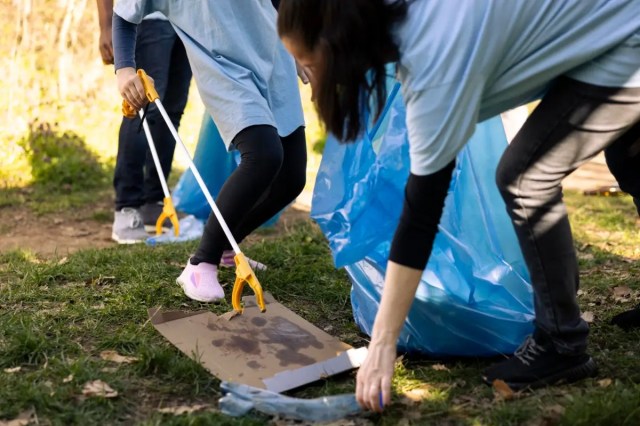
Community service refers to voluntary activities that benefit other people, local communities, or the environment without expecting personal rewards. These activities may take place within the school, in the local community, or alongside charitable and non profit organisations.
Examples of community service suitable for students include:
- Cleaning litter and restoring natural environments.
- Organising fundraising activities to support charities.
- Collecting books, clothing, or school supplies for donation.
- Reading to younger children or sharing valuable skills with them.
- Raising awareness of environmental issues, health, or community safety.
- Caring for animals or supporting local animal shelters.
- Designing projects that address challenges within the school or surrounding community.
The Importance of Community Service in Education
The importance of community service lies in helping students connect classroom learning with the real world. Rather than simply reading about kindness, responsibility, or sustainability in textbooks, students experience the impact of their own actions through practical involvement.
When students see that their efforts have made an area cleaner, provided opportunities for someone else, or increased awareness of an important issue, they begin to understand that everyone has the ability to make a positive difference.
Experiences like these make learning far more meaningful than memorising facts. Students gradually develop a sense of belonging within society and recognise that being a responsible citizen means more than simply following rules. It also involves identifying challenges, listening to others, and taking thoughtful action to help where appropriate.
This is one of the key reasons why service learning in schools has become an essential part of holistic education and why educators continue to emphasise the importance of community service.
How Are Community Service and Character Development Connected?
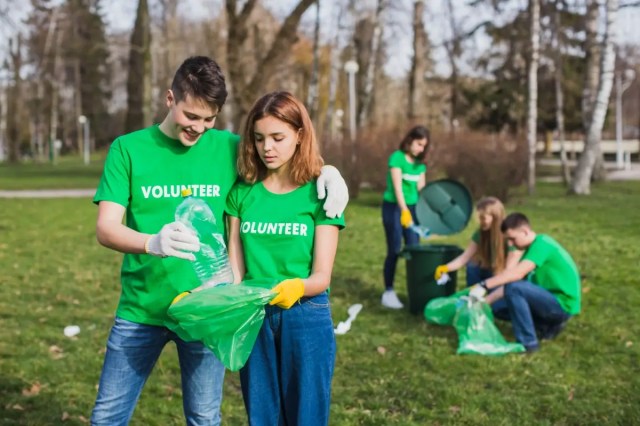
Strong character is not developed through instruction alone. It grows through experience, thoughtful decision making, and personal reflection. Community service and character development are closely connected because community projects allow students to practise important personal values through meaningful action.
1. Developing Empathy
When students meet people whose lives, experiences, or circumstances differ from their own, they begin to see the world from broader perspectives. Understanding the challenges faced by others helps reduce assumptions based on first impressions.
Students learn to listen carefully, ask respectful questions, and consider what type of support genuinely meets another person’s needs. These experiences clearly demonstrate the connection between community service and character development.
2. Building Responsibility
Community service projects usually involve responsibilities that must be completed within agreed timelines, including planning activities, preparing materials, communicating with partners, and managing project spaces after events.
As students take ownership of their individual responsibilities, they discover how one person’s actions affect the entire team. Failing to prepare properly or neglecting responsibilities may influence the success of the whole project.
3. Strengthening Honesty and Ethical Values
During community projects, students may encounter situations that require ethical decision making. They might need to manage donated funds responsibly, use resources wisely, communicate accurate information, or treat beneficiaries with dignity and respect.
These authentic situations encourage students to consider what is fair, ethical, and respectful. Reflective discussions following each activity help students gain a deeper understanding of ethical principles while reinforcing community service and character development.
4. Encouraging Perseverance and Resilience
Community projects do not always go according to plan. Attendance may be lower than expected, weather conditions may change, resources may become limited, or original ideas may not suit the community’s actual needs.
Students therefore learn to manage disappointment, adapt their plans, and continue working towards positive outcomes instead of giving up. These experiences strengthen resilience, an essential quality for future education, careers, and everyday life.
5. Developing Humility
Meaningful community service should never be based on the belief that those giving help are somehow superior to those receiving it. Instead, it begins with listening, understanding, and working collaboratively.
Students learn that every community possesses valuable knowledge, experiences, and perspectives. Sometimes the solutions students initially imagine may not be suitable within the real context. Being willing to listen, learn, and accept different viewpoints helps students develop humility and genuine respect for others.

Benefits of Community Service for Students
Beyond supporting positive character development, the benefits of community service for students extend to many practical skills that are valuable both in education and everyday life.
Developing Communication Skills
Students communicate with teammates, teachers, parents, community members, and external organisations throughout community projects.
They learn to adapt their communication for different audiences, explain ideas clearly, and listen thoughtfully to others. Effective communication is not simply about speaking confidently. It also involves active listening, asking appropriate questions, and respecting different opinions.
Strengthening Teamwork Skills
Most community service initiatives rely on collaboration between many people. Students divide responsibilities, coordinate activities, and solve problems together.
Throughout the process, they discover that every team member contributes different strengths. Some excel at planning, others communicate effectively, while others bring creativity and innovative thinking. Recognising the value of every individual creates stronger and more successful teams.
Developing Leadership Skills
Leadership is not simply about directing others. It also involves taking responsibility, making informed decisions, helping teams work effectively together, and encouraging others to contribute their strengths.
Community service projects allow students to experience leadership in authentic settings. They may lead project planning, oversee communications, organise responsibilities, or help resolve disagreements within their teams.
Building Self Confidence
As students recognise that their ideas and efforts can create positive outcomes, their confidence naturally grows.
Students who may not always excel in examinations or academic competitions often discover different strengths through community projects, including organisation, caring for others, public speaking, or creative problem solving.
Understanding Diversity
Working alongside people from different backgrounds, age groups, languages, and cultures helps students appreciate that there are many different ways of thinking and living.
Students learn to adapt, communicate respectfully, and avoid stereotypes. These experiences are particularly valuable within international schools, where young people are preparing to become responsible members of a diverse global community.
Conclusion
Preparing children for the future means far more than developing academic knowledge and workplace skills. It also involves nurturing compassionate, ethical, responsible individuals who can work confidently with people from diverse backgrounds.
The importance of community service lies in providing students with authentic opportunities to develop these qualities through meaningful experiences. Through community service and character development, students learn that success is measured not only by personal achievement but also by the positive impact they make on others and the wider community.
At St. Andrews International School, Green Valley, service learning in schools forms an important part of a holistic educational experience. Students benefit from an environment that supports academic excellence while also fostering confidence, empathy, responsibility, and global citizenship. Families looking to explore an international school that values community service and character development and recognises the many benefits of community service for students are warmly invited to book a school tour and experience this inspiring learning environment firsthand.