
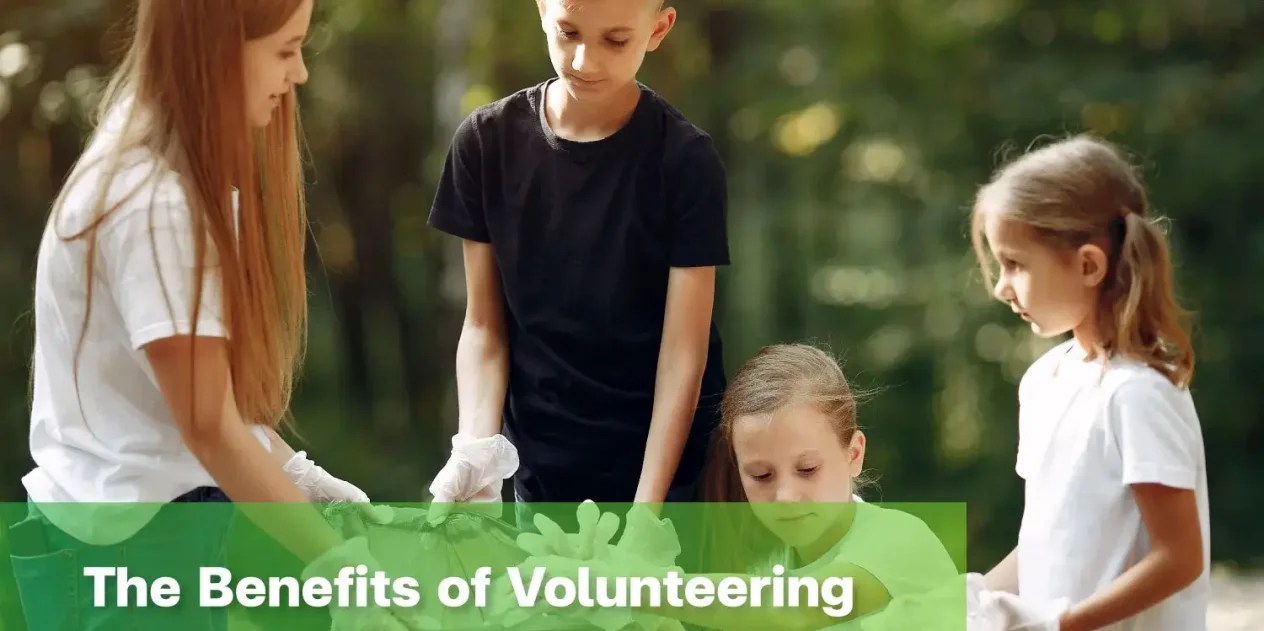
Topic Summary: Volunteering for students helps build empathy, confidence, responsibility and practical life skills through real community experiences, supporting personal growth, global citizenship and meaningful learning beyond the classroom.
Content Summary:
- Volunteering for students helps develop empathy, confidence and responsibility through meaningful real life community experiences.
- The benefits of volunteering are including stronger communication, teamwork, problem solving, leadership and critical thinking skills.
- Student volunteering programs support global citizenship and help students use their knowledge to create positive impact beyond the classroom.
Beyond classroom learning, another meaningful way for students to grow is through real-life experiences that allow them to meet people, understand society, and learn how knowledge can be used to benefit others. One of the most valuable experiences is volunteering, as it encourages students to step beyond familiar surroundings and engage with different lives, perspectives, and needs.
At St. Andrews International School, Green Valley, we believe that meaningful education is not only about academic achievement. It is also about nurturing students to become responsible global citizens who are compassionate, thoughtful, and ready to use their abilities to create positive outcomes for their communities. This is why volunteering for students is an important part of holistic growth, helping to develop the heart, mindset, and life skills at the same time.
How Volunteering Builds Empathy in Students
The heart of volunteering lies in giving students the opportunity to experience lives that are different from their own. When students meet people with different needs, challenges, or limitations, they begin to understand that the world does not revolve around one person alone. Instead, it is full of many stories, feelings, and perspectives.
This is how volunteering builds empathy. Students learn to listen carefully, work with people from different backgrounds, and understand that meaningful support is not about making assumptions on behalf of others. It is about trying to understand what others truly need. For example, during a community visit, students may learn that helping others does not always have to involve grand actions. Sometimes, listening, giving time, or contributing with genuine care can already make a meaningful difference.
Empathy through volunteering is a skill that develops through real experience. When students see the results of their actions, such as a smile from someone they have helped, positive change within a community, or the pride of working together as a team, they gradually develop a more thoughtful mindset. Over time, they begin to view society with greater care, awareness, and responsibility.
The Benefits of Volunteering for Learning and Personal Growth
The benefits of volunteering go far beyond simply doing good deeds. Volunteering for students also supports emotional, social, and personal development. It helps make education more complete by connecting classroom learning with real-life values, responsibility, and human understanding.
Helping Students Understand Themselves Better
Through volunteering for students, young people have the chance to discover what they are interested in, what they are good at, and what values matter most to them. Some students may realise that they enjoy working with younger children. Others may become interested in environmental issues. Some may find joy in organising activities or helping to coordinate projects.
These experiences help students understand themselves more deeply and may even inspire future academic pathways or career choices. Among the many benefits of volunteering, this self discovery is especially valuable because it allows students to connect their strengths with a sense of purpose.
Building Confidence Through Real Action
Taking part in real activities helps students feel that they have value and can create a positive impact. Even small roles, such as organising donated items, preparing learning materials, or helping plan a team activity, can make students feel involved and capable.
When students see that their actions genuinely benefit others, their confidence begins to grow. This is one of the important community service benefits, as students learn that they do not need to wait until adulthood to make a difference. Volunteering for students allows them to see that their contributions matter now.
Developing Responsibility and Discipline
Volunteering often requires punctuality, planning, accountability, and commitment to the outcome of a task. When students are given a role, they learn that working for the benefit of others requires care and consistency. It is not something to be done only when convenient.
These experiences help students develop responsibility and discipline in a practical and meaningful way. The benefits of volunteering can therefore be seen not only in the community, but also in the personal habits students build through their participation.
Strengthening Global Citizenship
Community service helps students understand social diversity at both local and global levels. Students begin to see that many issues are connected, such as the environment, equality, education, and quality of life.
Understanding these issues from a young age helps students develop into aware and responsible global citizens. This is another reason why student volunteering programmes are so valuable. They provide opportunities for students to engage with real world topics, think beyond themselves, and consider how their actions can contribute to a better society.
What Skills Are Gained from Volunteering?
In addition to empathy, the skills gained from volunteering are wide ranging and highly useful for learning, future work, and everyday life. Volunteering for students gives young people the opportunity to practise essential skills in real situations, rather than learning them only in theory.
Communication Skills
Volunteering requires students to communicate with team members, teachers, coordinators, and people in the community. Students learn how to speak clearly, listen with understanding, and adapt their communication style to suit different audiences.
This is one of the most valuable skills gained from volunteering, as effective communication helps reduce misunderstandings and supports smoother collaboration. In many student volunteering programmes, communication becomes a key part of successful teamwork and positive community engagement.
Teamwork Skills
Most volunteering activities are built on cooperation. Students learn that success does not come from one person alone, but from shared responsibility, mutual support, and respect for each person’s role.
Through teamwork, students also learn that different opinions can lead to stronger ideas. This is one of the important community service benefits, as students gain experience in working with others in a respectful and constructive way. The benefits of volunteering are therefore closely linked to the ability to collaborate and value different perspectives.
Problem Solving Skills
Real-life situations do not always go according to plan. Equipment may not be ready, time may be limited, or activities may need to change depending on the situation. Students who take part in volunteering learn to think flexibly, analyse problems, and find creative solutions.
These problem-solving skills are especially important in a rapidly changing world. Among the many skills gained from volunteering, the ability to remain calm, adaptable, and solutions focused is one of the most practical for future learning and life beyond school.
Leadership
Student volunteering programmes can provide excellent opportunities for students to develop leadership skills. Some students may begin as helpers before gradually taking on responsibilities such as planning activities, supporting a team, or coordinating with others.
Leadership developed through volunteering is often gentle, thoughtful, and responsible. It is not about giving orders. It is about care, shared goals, and the wellbeing of the wider community. This kind of leadership reflects how volunteering builds empathy while also encouraging students to become confident and responsible contributors.
Critical Thinking and Seeing Issues from Different Perspectives
When students take part in community activities, they begin to ask deeper questions about why certain problems happen and how they might be addressed in the long term. For example, if students join an environmental activity, they may not only collect rubbish. They may also begin to think about how waste can be reduced from the source, or how the school and local community can work together more effectively. This shows how empathy through volunteering can lead to more thoughtful action.
Conclusion
Volunteering for students is a meaningful experience that helps develop empathy, life skills, responsibility, and global citizenship. Students learn that success is not measured by academic results alone. It also includes the ability to understand others, work with diverse groups of people, and use knowledge to create positive value for society.
At St. Andrews International School, Green Valley, learning is designed to support both academic excellence and the growth of each student as a whole person. Encouraging community service and student volunteering programmes is an important part of helping students become capable, confident, and compassionate learners who are truly ready to contribute positively to the world.
For parents looking for an international school that values academic achievement, life skills, and social responsibility, you can book a school tour to explore our learning environment and discover how our approach supports students in growing with confidence, compassion, and a strong sense of purpose.