
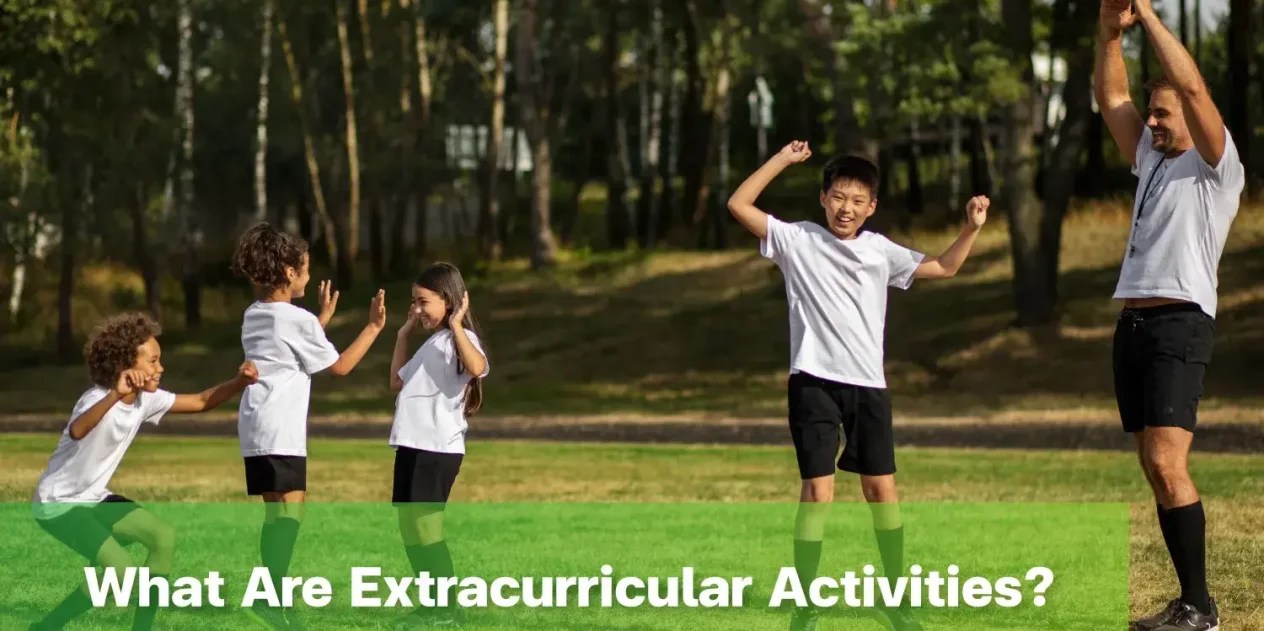
Topic Summary: Explores what are extracurricular activities, highlights benefits of extracurricular activities in school, shares examples, and explains how to improve your extracurricular activities for student growth, skills development, and future readiness.
In the journey of learning, every child possesses unique potential. Some thrive within the classroom, while others shine in environments where examinations are not the primary measure of success. These abilities are not always discovered immediately unless students are given the opportunity to explore, take action, and gain real-world experience beyond textbooks.
This is precisely why extracurricular activities have become an essential part of modern education. Beyond academic enrichment, extracurricular activities in school create space for students to explore different versions of themselves. Whether as athletes, artists, team leaders, or young innovators, students develop skills that cannot be taught directly, but must be experienced. Through real situations such as teamwork, problem solving, and stepping outside their comfort zones, students gain capabilities that are increasingly valued today. These are the true benefits of extracurricular activities, and they flourish most effectively through well-designed extracurricular activities in school.
What Are Extracurricular Activities?
Extracurricular activities refer to structured experiences that take place outside the standard academic curriculum. These activities focus on learning through practice and participation, with the aim of developing a broader range of student skills such as creativity, leadership, collaboration, and life skills.
There are many extracurricular activities examples designed to match diverse student interests:
- Sports activities such as football, swimming, tennis, and basketball.
- Arts and music activities such as painting, drama, and school bands.
- Academic clubs such as science clubs and robotics competitions.
- Leadership and community activities such as Student Council and volunteering.
- Technology and innovation activities such as Coding Club or AI Club.
These extracurricular activities in school allow students to explore interests beyond academics while building essential capabilities for the future.

5 Benefits of Extracurricular Activities in School
It is clear that extracurricular activities in school play a vital role in shaping students in today’s world. They provide a powerful learning environment that nurtures skills, mindset, and identity in a natural and engaging way. The benefits of extracurricular activities in school extend far beyond the classroom.
1. Helping Students Discover Their Identity and Hidden Potential
One of the most valuable benefits of extracurricular activities is the opportunity for self-discovery. These activities provide a safe space for students to try new things without the pressure of academic performance.
Some students may not stand out academically, yet they excel in music, sports, or performance-based activities. Through these experiences, students begin to recognise their strengths, whether in creativity, leadership, or problem solving. With the right support, these hidden abilities gradually develop into clear talents, helping students shape future pathways aligned with their interests.
2. Developing Essential Soft Skills for the Future
Another important aspect of the benefits of extracurricular activities in school is the development of soft skills. These are critical skills for both academic success and future careers.
Through various extracurricular activities, such as team sports, collaborative projects, presentations, and competitions, students practise communication, critical thinking, problem solving, and time management. These skills cannot be fully developed through textbooks alone. They require real experience.
Consistent participation in extracurricular activities in school enables students to transfer these skills into higher education and professional environments effectively.
3. Building Confidence and Self-Expression
Participating in extracurricular activities regularly exposes students to new and sometimes challenging situations. Whether performing on stage, competing in events, or sharing ideas in group settings, students gradually build confidence.
Confidence often begins with small steps, but over time, it develops into a strong and lasting quality. Encouragement from teachers and peers further supports this growth, helping students express themselves appropriately and clearly.
4. Creating Balance Between Academic Learning and Life
Effective learning should not be limited to the classroom. Extracurricular activities in school help create a more balanced and fulfilling school experience.
Students have opportunities to relax from academic pressures while simultaneously developing emotional and social skills. Engaging in personal interests such as sports, arts, or creative activities also supports mental wellbeing.
5. Expanding Future Educational and Career Opportunities
Academic performance alone does not fully reflect a student’s potential. Universities and future employers increasingly value well-rounded individuals.
Active involvement in extracurricular activities in school, whether in academics, sports, or leadership roles, enhances student profiles significantly. It demonstrates commitment, passion, and specific interests.

How to Improve Your Extracurricular Activities
While the benefits of extracurricular activities are clear, choosing and developing them strategically is equally important. Understanding how to improve your extracurricular activities can maximise their value.
Choose Based on Genuine Interest, Not Trends
Selecting extracurricular activities that align with personal interests leads to stronger motivation and long-term development. This is far more effective than choosing activities purely to enhance a profile.
Focus on Quality Over Quantity
Participating in too many extracurricular activities without consistency may not produce meaningful results. Instead, focusing on a few activities and developing them deeply creates stronger outcomes.
Set Goals and Reflect on Learning
Each activity should have a clear purpose, such as developing a specific skill or progressing into a leadership role. Reflection is equally important, as it helps students understand what they have learned and how they have grown.
Stay Open to New Experiences
Even with established interests, exploring new extracurricular activities can broaden perspectives and open unexpected opportunities.
Conclusion
Extracurricular activities in school serve as an essential platform for students to discover themselves, develop crucial skills, and grow holistically in ways that classroom learning alone cannot fully provide. From identifying personal strengths to building confidence and preparing for the future, the benefits of extracurricular activities are both profound and long-lasting.
At St. Andrews International School, Green Valley, a balanced approach to education is at the heart of the learning experience. A wide range of extracurricular activities is offered, including sports, arts, music, technology, and leadership programmes. These opportunities are carefully designed to help students explore their interests and unlock their full potential.
For families seeking an international school that values more than academic achievement and truly focuses on individual development, visit our school today to understand how meaningful education can open doors to limitless opportunities.