
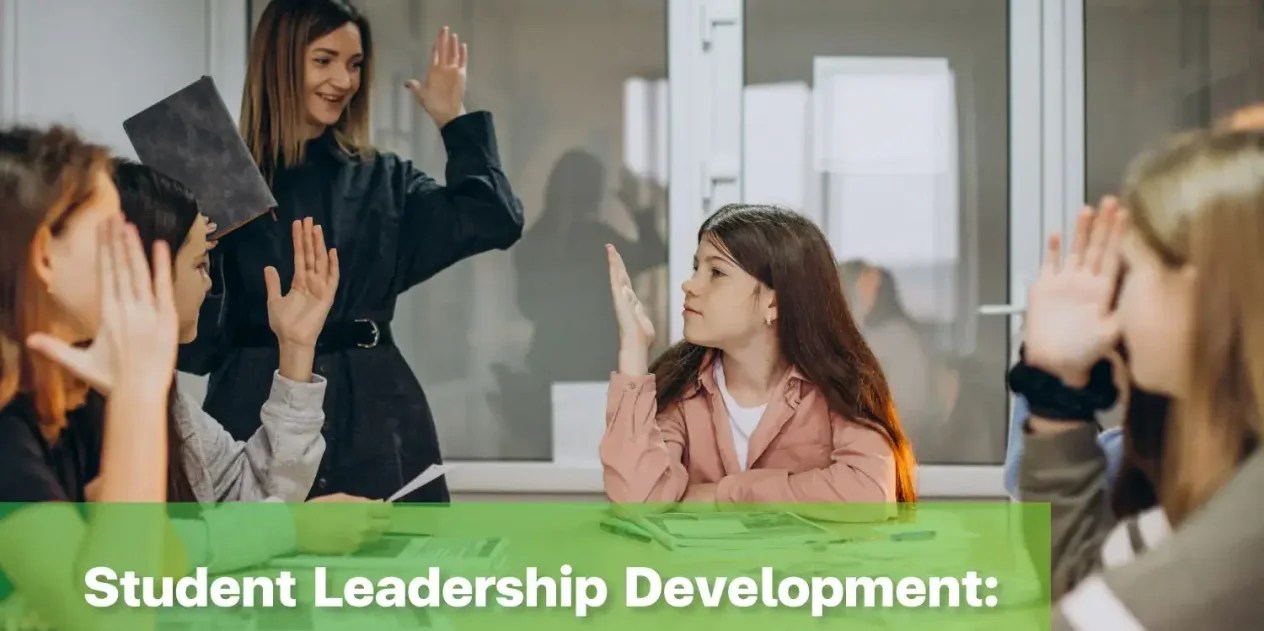
Topic Summary: Student leadership helps students build confidence, responsibility, empathy and teamwork while developing essential leadership skills for students through real experiences, meaningful activities and a holistic approach to learning.
Content Summary:
- Student leadership helps students build confidence, responsibility, communication skills and the ability to work effectively with others.
- Key leadership qualities in students include empathy, clear communication, creative thinking, problem solving, teamwork and the courage to make decisions.
- Meaningful activities such as student council, community projects, sports, arts, peer mentoring and leadership workshops support student leadership development in practical ways.
When people talk about student success, many parents may first think of academic results. In reality, success also includes the ability to think critically, communicate with confidence, work well with others and have the courage to create positive change. These are all important foundations of student leadership, which should be nurtured from school age.
At St. Andrews International School, Green Valley, student leadership development is an essential part of preparing students for the future, both academically and personally. It helps students become ready for further study, future careers and life in a global society that needs young people with knowledge, empathy and a sense of responsibility towards others.
What Is Student Leadership and Why Is It Important?
Student leadership refers to a student’s ability to lead themselves, support others and contribute to positive outcomes, whether in the classroom, school activities, the wider community or society. Leadership is not about giving orders. It is about taking responsibility, thinking systematically, communicating appropriately and helping the people around them move forward together.
During school age, children are developing their identity, confidence and social skills. Having opportunities to practise leadership skills for students helps them gradually learn that their ideas have value, that their voice can create change and that working with others is an important life skill.
Most importantly, student leadership helps students become active learners. Rather than waiting for teachers or adults to tell them every step, they learn to ask questions, plan ahead and take responsibility for their choices. These are important foundations for lifelong learning.

Leadership Qualities in Students That Should Be Encouraged
Leadership qualities in students can be developed through the right experiences. A child does not need to be naturally outspoken or highly confident from the beginning. Every student may show leadership in a different way. Some are strong communicators, some are excellent planners, some are highly empathetic and others lead quietly through action.
Responsibility Towards Themselves and Others
Good leaders begin by taking responsibility for the small things around them, such as submitting work on time, preparing for class, completing their role in group work or keeping their promises. When students understand how their actions affect others, they begin to understand the deeper meaning of student leadership.
Clear and Respectful Communication
One of the most important leadership skills for students is communication. Students should have opportunities to practise speaking, listening and asking constructive questions. A good leader is not the person who speaks the most, but the person who can communicate clearly, help others understand and listen to different opinions without judging too quickly.
Courage to Think and Make Decisions
Becoming student leaders requires the courage to think differently, try new approaches and make decisions, even when students are not completely certain. A safe environment where students can learn through trial and reflection helps them understand that mistakes are not failures, but part of growth.
Empathy and Teamwork
Good leaders do not focus only on the final result. They also care about the people involved along the way. Students with empathy can understand their friends’ feelings, offer support and help create a positive atmosphere for teamwork. This is especially important in a global society filled with cultural diversity, different perspectives and varied life experiences.
Creativity and Problem Solving
The future needs young people who can do more than follow instructions. It needs students who can think of new solutions to complex problems. Encouraging student leadership should therefore give students opportunities to think, analyse, experiment and reflect on their own learning.

What Do Leadership Programmes for Students Look Like in Practice?
Effective leadership programmes for students should give students real opportunities to lead, contribute and make decisions within the school community. Rather than learning about leadership only as a concept, students should be able to practise leadership through meaningful roles that help them understand responsibility, communication, teamwork and service.
At St. Andrews International School, Green Valley, student leadership development is supported through a range of leadership positions across the school. These opportunities allow students to develop different leadership skills for students, depending on their age, interests and strengths. Some students may lead through public speaking and representation, while others may lead through mentoring, organising activities, supporting peers, encouraging participation or promoting sustainability.
Head Student
The Head Student role is an important example of student leadership in action. Head Students act as spokespersons for the student body and help lead the Student Council. This role requires strong communication skills, confidence in public speaking and the ability to build positive relationships with fellow students and staff.
Through this position, student leaders have the opportunity to represent student voice, make speeches at school events and work closely with teachers. It also helps develop valuable skills such as presenting, organisation, decision making and responsibility, all of which support students in school and beyond.
Prefects
Prefects play an important role in supporting younger students and helping improve student life. This position is particularly valuable for developing interpersonal skills, problem solving and a sense of service. Prefects may contribute in different areas, such as academic support, entertainment, activities, student welfare or primary liaison.
These responsibilities help develop important leadership qualities in students, especially empathy, patience, communication and reliability. By supporting others in practical ways, prefects learn that leadership is not only about being visible, but also about being helpful, approachable and trusted.
Island Community Leaders
Island Community Leaders help build a strong sense of belonging within the school. They motivate students to take part in school events, sporting activities, Island Community activities, fundraising and charity projects. This role encourages students to become active role models who can inspire participation and bring people together.
This is a meaningful part of building young leaders, as students learn how to encourage others, organise groups and contribute to a positive school spirit. Island Community Leaders also develop confidence, teamwork, motivation and decision making through real responsibilities.
Student Council Members
Student Council Members represent their tutor groups and act as a link between students and staff. They listen to ideas, share student concerns and help improve school life through discussion and action. Student Council also gives students the chance to contribute to school events and initiatives.
This type of student leadership helps students understand the importance of listening, representing others fairly and working towards shared goals. It also shows students that their voice matters and that they can play an active role in shaping their school community.
Eco-Council Representatives
Eco-Council Representatives give students the opportunity to become a voice for sustainability within the school. They help raise awareness of environmental issues, suggest ideas for greener school events and contribute to projects connected to the internationally recognised Green Flag Award.
This role supports student leadership development by helping students become forward thinking, socially responsible and aware of their impact on the wider world. It also allows students to develop communication, advocacy and collaboration skills while contributing to meaningful environmental action.
Conclusion
Student leadership is one of the key skills that helps students grow in a well rounded way, as learners, teammates, members of a community and global citizens. Encouraging leadership skills for students from school age helps children learn to take responsibility, communicate with confidence, think creatively and understand the value of working with others.
St. Andrews International School, Green Valley places great importance on learning that develops not only academic ability, but also character, confidence and social responsibility. This helps students prepare for the future as lifelong learners and meaningful changemakers. Parents who would like to see the school’s learning environment and holistic approach to student leadership development can book a school tour today through the school website.