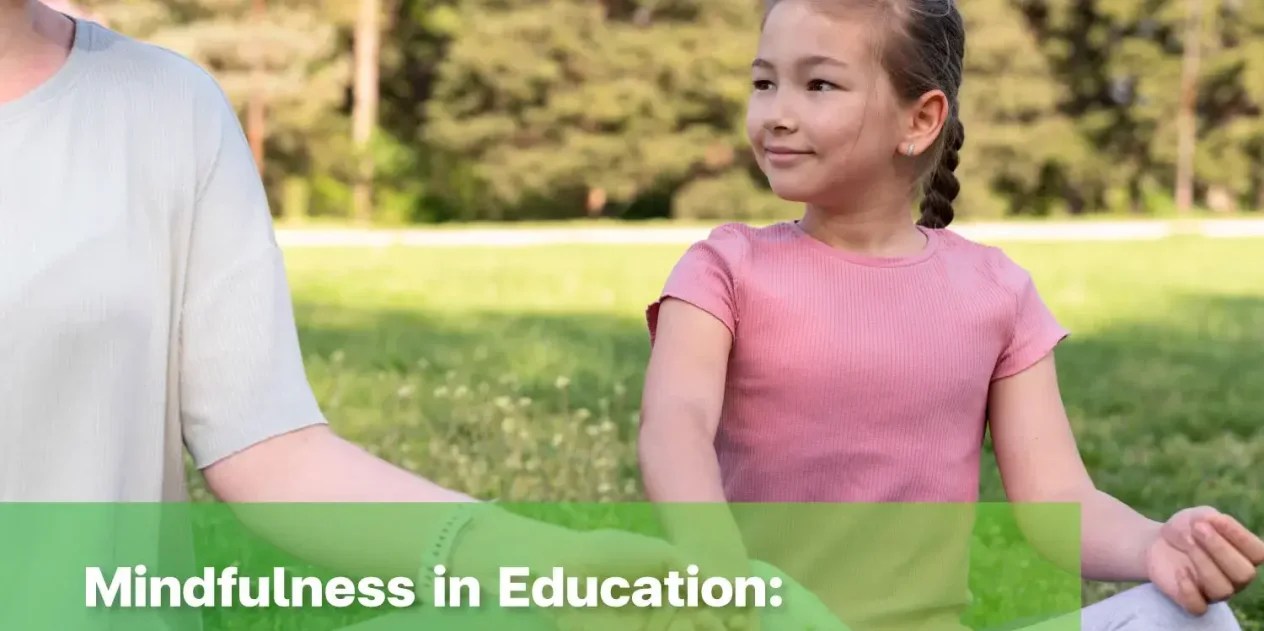
Topic Summary: Mindfulness in education helps children improve focus, manage emotions, embrace mistakes and build resilience, while supporting academic progress, positive relationships, self-awareness and balanced wellbeing in everyday life.
Content Summary:
- Mindfulness helps children strengthen concentration and return their attention to learning when distractions arise.
- Regular practice supports emotional regulation, resilience, memory, self awareness and confidence when facing challenges or mistakes.
- Mindfulness in education also encourages empathy, positive communication, teamwork and a healthier balance between academic learning and everyday wellbeing.
Every day, children are exposed to a constant stream of information and stimulation. From classroom lessons and background noise to academic expectations, emotions, and friendships, they are continually processing new experiences. Although children are naturally capable of learning, understanding new concepts becomes much more challenging when their minds are distracted, anxious, or mentally fatigued after trying to concentrate for long periods.
For this reason, St. Andrews International School, Green Valley places great importance on creating a learning environment that supports not only academic achievement but also students’ emotional wellbeing and personal development. Effective learning is not determined solely by knowledge or teaching methods. It also depends on a child’s state of mind. This is why mindfulness in education plays such an important role in helping students thrive both inside and outside the classroom.
What Is Mindfulness in Education?
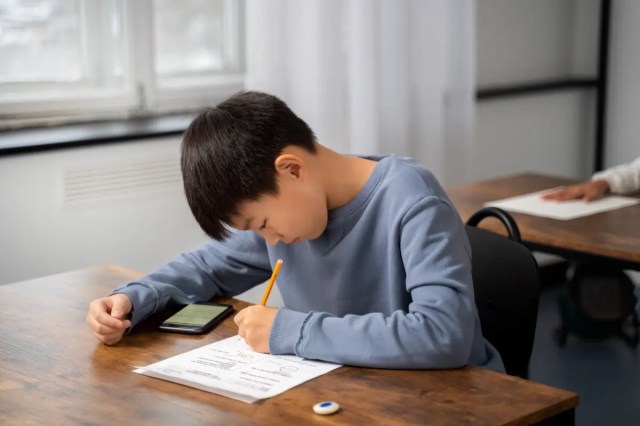
Mindfulness in education is an approach that encourages children to focus their attention on the present moment. Whether they are listening to their teacher, reading, participating in group activities, or recognising their own thoughts and emotions, the goal is to stay fully engaged without immediately judging experiences as good or bad.
Practising mindfulness does not mean children must sit completely still for long periods or never experience distracting thoughts. Instead, it helps them notice when their attention has wandered, when they feel uncomfortable, or when their minds have drifted elsewhere. They can then gently redirect their focus back to the lesson in front of them. This is one of the key ways mindfulness helps kids learn with greater confidence and awareness.
Simple examples of mindful learning include:
- Spending one minute focusing on breathing before class.
- Listening carefully to sounds in the environment.
- Noticing physical sensations in the body.
- Taking a brief pause before answering a question.
These small activities may appear simple, but when practised consistently, they help children develop greater self awareness and strengthen their ability to focus. This reflects the importance of mindfulness for students in modern classrooms.
Why Do Children Today Need Space to Practise Mindfulness?
Today’s learning environment is filled with information and technology. Children have immediate access to news, videos, games, and online media, requiring their brains to switch constantly between different sources of information.
Frequently shifting attention may help children process information quickly, but it can also make it more difficult to concentrate on tasks that require sustained focus, such as reading longer texts, solving mathematical problems, or completing projects with multiple stages.
In addition, some children may feel pressure from comparing themselves with others, fear making mistakes, or worry that their performance is not good enough. These thoughts can interrupt concentration and discourage them from trying new challenges.
This is why mindfulness for students provides valuable opportunities for children to pause, recognise what they are experiencing, and return to learning with a calmer and more prepared mindset. It also highlights how mindfulness helps kids learn by supporting emotional wellbeing alongside academic development.
How Does Mindfulness Help Children Learn Better?
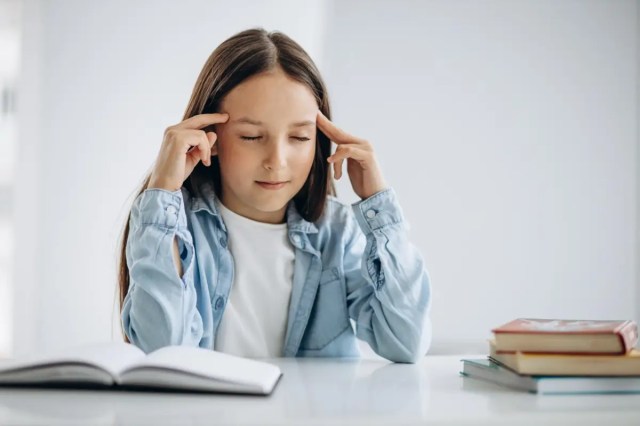
Mindfulness helps kids learn by encouraging children to return their attention to the present moment and become more aware of what is happening around them. When children develop the habit of pausing and observing their thoughts and emotions, learning becomes more effective both in school and in everyday life. These are some of the most important benefits of mindfulness for kids.
Improves Concentration and Focus
One of the main reasons mindfulness helps kids learn is that it teaches children to notice when their attention has drifted away from a lesson. Once they recognise this, they can gently guide their focus back to what they are listening to, reading, or practising.
Concentration does not mean remaining perfectly focused all the time. Rather, it is the ability to return attention whenever distractions arise. This skill supports learning across almost every subject, especially those requiring sustained thinking and problem solving. These are clear benefits of mindfulness for kids and demonstrate why mindfulness in education is becoming increasingly valuable.
Supports Healthy Emotional Regulation
When children face difficult questions, differing opinions, or mistakes during classwork, they may quickly feel frustrated, disappointed, or tempted to give up.
Mindfulness in education encourages children to pause and recognise their emotions before reacting. A child may learn to say, “I feel anxious right now,” or “This question is making me frustrated.” Simply identifying emotions helps children avoid being overwhelmed by them and allows them to respond more thoughtfully.
Strengthens Memory and Information Processing
When children feel calm and focused, their brains are better able to absorb information and organise their thoughts. This improves their ability to understand lessons, connect new knowledge with previous experiences, and remember important details.
By contrast, excessive stress or anxiety can cause children to focus on worries or mistakes instead of learning. Creating a few moments of calm before lessons helps prepare children emotionally and mentally for new learning experiences.
Encourages Children to Embrace Challenges and Mistakes
Children learn most effectively when they feel safe to answer questions incorrectly, ask for clarification, or experiment with new ideas.
Mindfulness in education helps children recognise negative thoughts such as, “I cannot do this,” or “Everyone else is better than me,” without automatically believing them.
Instead, children begin to view mistakes as valuable learning opportunities rather than evidence of failure. This mindset encourages resilience, perseverance, and confidence.
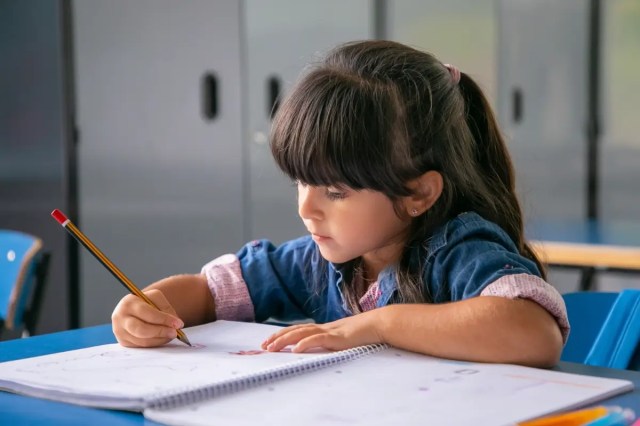
Benefits of Mindfulness Beyond Academic Achievement
The benefits of mindfulness for kids extend far beyond examination results or memory skills. Mindfulness in education also supports children’s social development, emotional wellbeing, and everyday behaviour.
Builds Greater Self Awareness
Children who regularly observe their thoughts, feelings, and reactions gradually gain a better understanding of what helps them feel calm, what causes stress, and which strategies help them regain emotional balance.
Self-awareness provides an important foundation for decision making. Children become better able to choose learning strategies that suit them, ask for help when needed, and communicate their needs more clearly with trusted adults.
Improves Communication and Teamwork
Mindfulness for students also encourages children to become better listeners. When children listen carefully without interrupting or immediately judging others’ opinions, communication within groups becomes more respectful and productive.
Children also become more aware when they feel angry, upset, or ignored before choosing appropriate words and actions. These skills help reduce conflict while strengthening teamwork and positive relationships.
Develops Empathy
As children become more aware of their own emotions, they often become more sensitive to the feelings of others. They may begin to notice when a friend feels worried, lonely, or needs support.
Empathy helps create a learning community where everyone feels safe, respected, accepted, and confident enough to be themselves. This is a key element of schools that value holistic education and demonstrates the wider benefits of mindfulness for kids.
Promotes Happiness and Balance in Everyday Life
Children do not need to experience emotional difficulties before beginning mindfulness practice. Mindfulness for students can simply become part of their daily routine, giving them opportunities to rest their minds and appreciate everyday moments.
A child may spend a few minutes observing nature, listening carefully to music, or eating meals mindfully. These simple habits help children enjoy life more fully instead of constantly rushing towards the next activity.
Conclusion
In a world filled with information, constant change, and growing expectations, children need far more than the ability to memorise facts. They also need the skills to manage their attention, emotions, and relationships with others.
Mindfulness helps kids learn by building readiness from within. Children become better able to refocus on learning, cope with mistakes, and see challenges as opportunities for growth. At the same time, the benefits of mindfulness for kids extend well beyond academic success, supporting confidence, empathy, resilience, and emotional balance.
For families seeking an educational environment that values both academic excellence and emotional development, St. Andrews International School, Green Valley is committed to providing a holistic approach to learning. Through mindfulness in education and a nurturing school community, students are encouraged to grow into confident, self-aware learners who are prepared for an ever changing world.
Parents are warmly invited to book a school tour to experience the school’s welcoming learning environment, meet the teaching team, and discover how mindfulness for students can support every child’s academic, emotional, and personal growth.