

Topic Summary: Explore student focus in the classroom, why students lose focus, and how active learning, mindfulness, digital literacy, and classroom environment improve attention, engagement, and long-term learning outcomes effectively.
In a single classroom, students may sit quietly in the same space yet be thinking in entirely different ways. Some demonstrate strong student focus in the classroom, fully engaged with the lesson, while others may have already drifted away mentally. This contrast does not define ability or intelligence. Instead, it reflects levels of concentration, a vital skill that shapes the quality of learning at every stage of life.
Importantly, concentration is not an innate trait that only some children possess. It can be developed through thoughtful teaching approaches, a supportive classroom environment, and habits that help learners return their attention to the present moment.
At St. Andrews International School, Green Valley, emphasis is placed on holistic development. Beyond academic achievement, students are supported in building life skills, emotional awareness, and strong student focus in the classroom. This is achieved through a balanced integration of active learning vs. passive listening, mindfulness, and carefully implemented educational technology (EdTech), alongside strong foundations in digital literacy.
Why Do Students Lose Focus in The Classroom?
Although every child has unique learning potential, a common pattern is that attention levels shift depending on the environment, teaching methods, and emotional state at a given moment. Understanding why students lose focus allows educators to design more effective learning experiences and improve student attention span improvement outcomes.
1. Digital Distractions in Education
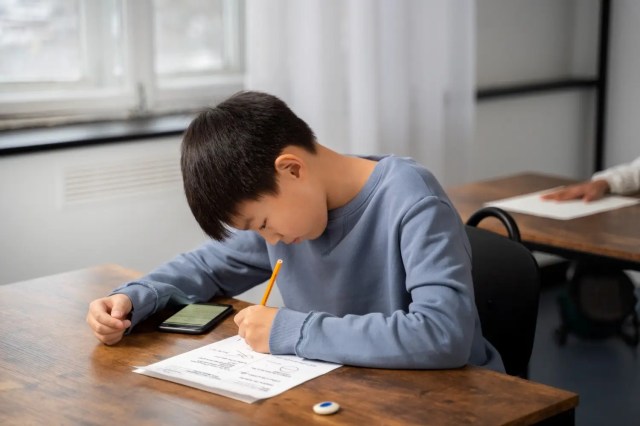
One of the main reasons behind why students lose focus is the presence of digital distractions in education. Devices such as smartphones, tablets, or constant notifications can quickly pull attention away from lessons. Even a few seconds of interruption can disrupt student focus in the classroom. Without clear boundaries, students may switch attention frequently, which affects long term comprehension and weakens their ability to sustain focus.
2. Overreliance on Passive Listening
Another key factor behind why students lose focus is teaching that relies heavily on listening. Long periods of passive listening can lead to cognitive fatigue and reduced engagement. In contrast, students learn more effectively when they actively think, analyse, and participate. This is why understanding active learning vs. passive listening is essential for improving engagement and supporting student attention span improvement.
3. Classroom Environment
The classroom environment plays a critical role in shaping student focus in the classroom. Lighting, noise levels, seating arrangements, and overall atmosphere all influence how well students can concentrate. A poorly designed environment can easily distract learners, while a well-structured and supportive space encourages focus, comfort, and readiness to learn.
4. Emotional Wellbeing and Stress
Attention is closely linked to emotional wellbeing. Students experiencing stress, anxiety, or personal concerns often struggle to maintain student focus in the classroom. Supporting emotional health is therefore essential. Integrating mindfulness for students into daily routines can help learners regulate emotions and return their attention to the present moment, supporting long-term student attention span improvement.
Active Learning vs. Passive Listening: Which Approach Supports Better Focus?
When considering how to strengthen student focus in the classroom, teaching methods become a key factor. Even students with strong potential may struggle if the learning approach does not align with how the brain naturally engages.
The concept of active learning vs. passive listening has become central in modern education. It highlights the importance of shifting students from passive recipients of information to active participants in their learning journey.
1. Passive Listening
Passive listening is commonly found in traditional classrooms, where teachers deliver information and students are expected to listen, take notes, and memorise. While useful for explaining complex ideas in short periods, overuse can reduce engagement.
When students are not actively interacting with content, student focus in the classroom tends to decline. This contributes to why students lose focus, as learners become mentally disengaged and retain information only at a surface level.
2. Active Learning
Active learning shifts students into a more engaged role. Instead of simply listening, they are encouraged to think, ask questions, experiment, and collaborate.
Examples include:
- Group discussions.
- Problem-solving activities.
- Project-based learning.
- Game-based learning supported by educational technology (EdTech).
These approaches stimulate the brain continuously, helping students connect knowledge with real experiences. As a result, student focus in the classroom improves naturally, and student attention span improvement becomes more sustainable.
Which Approach Is Most Effective?
Effective learning does not rely on one method alone. A balanced approach works best. Teachers may use passive listening to introduce key concepts, followed by active learning activities to deepen understanding.
This combination supports stronger student focus in the classroom, enhances retention, and reduces losing focus over time. It also aligns with modern practices that integrate digital literacy, appropriate use of educational technology (EdTech), and structured focus training tools to reinforce learning.

Conclusion
Student focus in the classroom is not a matter of chance. It is the result of thoughtful learning design that considers teaching methods, emotional wellbeing, and the classroom environment. When students engage through active learning vs. passive listening, practise mindfulness for students, and use technology in a balanced way, their ability to concentrate develops steadily.
At St. Andrews International School, Green Valley, this holistic approach is embedded into everyday learning. By combining innovative teaching strategies, strong digital literacy, and supportive pastoral care, students are guided towards meaningful student attention span improvement and lifelong learning success.
Families seeking a learning environment that nurtures both academic excellence and student focus in the classroom are invited to book a school tour. Experiencing the environment first hand offers a clear understanding of how focus, engagement, and wellbeing can grow naturally when supported in the right setting.
Frequently Asked Question About Student Focus in The Classroom (FAQs)
Q: How does age affect student focus in the classroom?
A: Age has a significant impact. Younger children typically have shorter attention spans, while older students can sustain focus for longer periods. Tailoring activities to suit developmental stages is essential for effective student attention span improvement.
Q: Do diet and sleep influence student focus in the classroom?
A: Yes, both are critical. Students who lack sleep or proper nutrition often have lower energy levels and struggle to concentrate. Healthy routines support better student focus in the classroom and overall cognitive performance.
Q: How can parents support student focus at home?
A: Parents can establish clear routines for study time, rest, and screen use. Encouraging activities such as reading, creative tasks, and the use of simple focus training tools can strengthen concentration. Practising mindfulness for students at home can also support emotional balance and sustained attention.