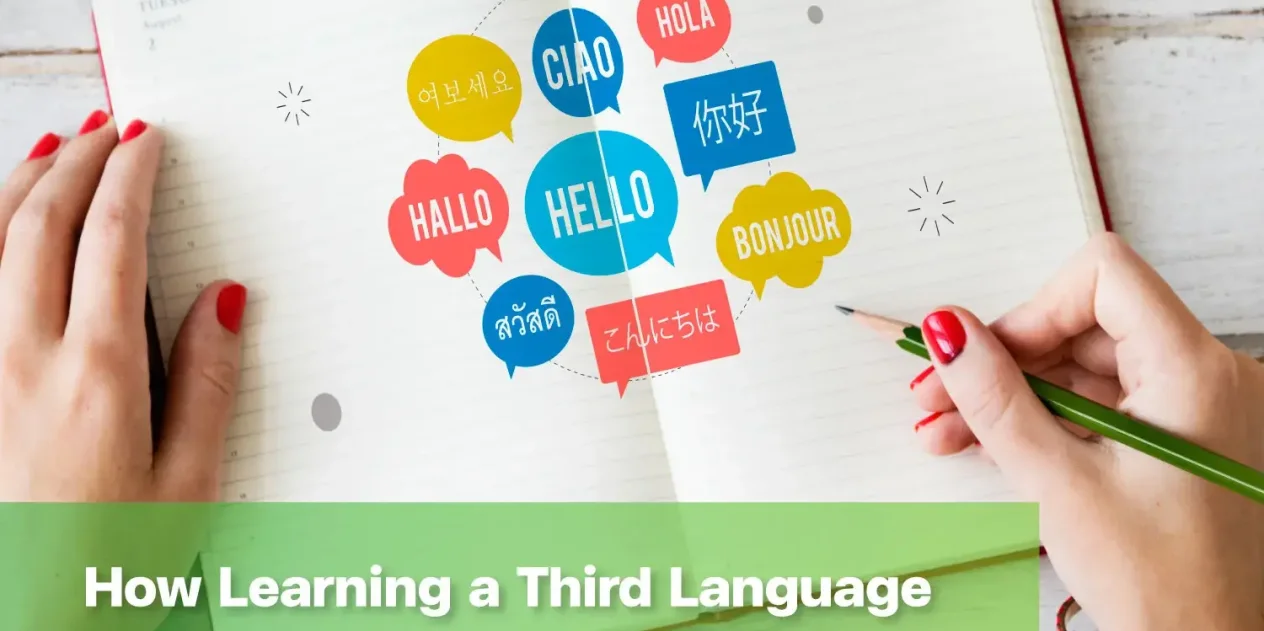
Topic Summary: Learning a third language helps children strengthen memory, focus, problem solving, creativity and cultural understanding, supporting confident communication and future readiness in an increasingly connected international world.
Content Summary:
- Learning a third language helps children build stronger memory, concentration, problem solving skills and cognitive flexibility.
- The benefits of learning a third language go beyond communication, supporting creativity, cultural awareness and confidence in international settings.
- A third language can prepare children for future opportunities in global education, exchange programmes and international careers.
Cross-cultural communication happens every day. Learning only one language may no longer be enough for children growing up in today’s world. Many families now recognise the value of learning a second language from an early age and are beginning to look further towards learning a third language. Beyond adding new speaking, reading and writing skills, a third language opens the door to more flexible thinking, a deeper understanding of diverse people, and brain development that goes far beyond memorising vocabulary.
For students at an international school such as St. Andrews International School, Green Valley, learning foreign languages is part of preparing for the future. Language is a bridge that naturally connects ideas, cultures and new perspectives.
What Is Learning a Third Language and How Is It Different from Learning a Second Language?
Learning a third language means learning an additional language beyond a child’s mother tongue and the second language they already use. For example, a child whose mother tongue is Thai may learn English as a second language, then begin learning Chinese, French, Spanish or another language as a third language.
What makes learning a third language especially interesting is that children often already have experience learning a language from their second language journey. As a result, they may begin to understand language patterns more quickly, such as remembering new sounds, observing sentence structures, or comparing vocabulary across languages. When children learn a third language, the learning process does not start from zero. Instead, it builds upon the language skills they already have.
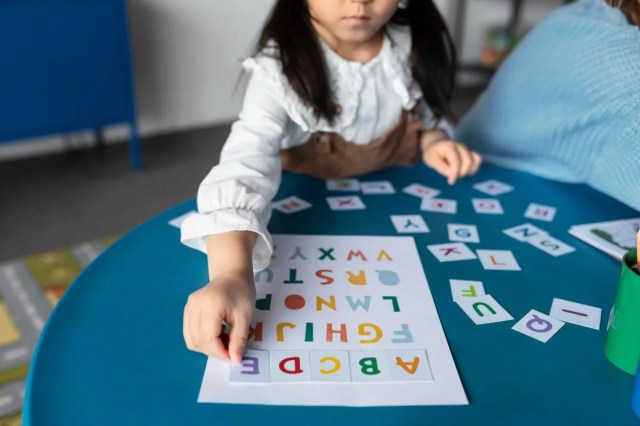
Why Is Learning a Third Language Important for Children Today?
A common question among parents is, is it beneficial to learn a third language when English is already widely used in international education and global communication? The answer is yes, because a third language supports far more than communication. It can also strengthen thinking skills, adaptability and cultural understanding.
Children who learn more than two languages often become familiar with switching between different systems of thought. They may practise choosing the right words for a specific context, interpreting meanings that cannot be translated word for word, or understanding the culture hidden within a language. These experiences help train the brain to become more flexible and allow children to respond better to new situations.
In a future where work, higher education and everyday life are increasingly international, a third language can also expand children’s opportunities to connect with people from many countries. This may include studying abroad, joining exchange programmes, or working in global organisations.
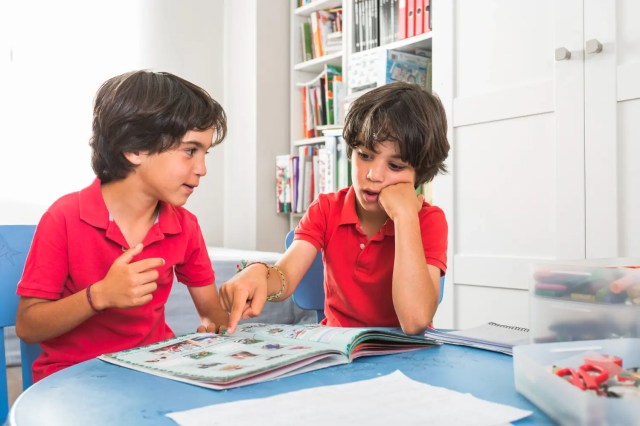
Benefits of Learning a Third Language for Thinking Skills
Learning a new language is not only about memorising vocabulary or practising pronunciation. It is a full workout for the brain. This is especially true when children learn a third language, as the brain needs to connect information from several language systems at the same time. This supports the development of thinking skills in many important ways.
1. Helps Improve Memory and Concentration
One of the key benefits of learning a third language is that it helps stimulate memory. Children need to remember new vocabulary, sentence structures, sounds and ways of using language in different contexts. This process helps the brain practise storing and retrieving information more effectively.
In addition, learning a third language helps train concentration. Children need to listen carefully to sound differences, understand meaning from sentences, and choose appropriate responses. With regular practice, this can help children focus better on more complex tasks.
2. Strengthens Problem Solving Skills
When children learn a third language, they often encounter situations where they need to make logical guesses. For example, they may ask themselves whether a word is similar to English, what a sentence means from the context, or whether they should use formal or informal language. This type of thinking is similar to problem solving because children need to observe, analyse and make decisions.
This skill can also support learning in other subjects, such as mathematics, science or the humanities. Children become more familiar with identifying patterns and using reasoning to find answers.
3. Increases Cognitive Flexibility
Different languages often have different sentence structures, word usage and ways of expressing meaning. Learning a third language helps children understand that the same idea can be explained in many different ways.
For example, some languages place importance on social hierarchy, some use gendered nouns, and some include idioms that reflect a unique culture. When children learn these features, the brain is trained to become more flexible. Children are less likely to rely on only one way of thinking and become more open to new perspectives.
4. Develops Listening and Observation Skills
Learning a third language encourages children to listen more carefully because a new language may include unfamiliar sounds or pronunciation patterns that differ from the languages they already use. These may include tonal sounds, final consonant sounds, or different rhythms of speech.
This listening practice helps children become more attentive listeners, not only in language lessons but also in everyday communication. They may become better at noticing tone of voice, facial expressions and context, which are all important foundations for high quality communication.
5. Stimulates Creativity
Learning a third language gives children the opportunity to play with words, meanings and storytelling in new ways. When children discover that each language has its own way of expressing ideas, they begin to see new possibilities in communication.
Creativity does not only come from the arts. It also comes from connecting different things together. Learning a third language helps children practise thinking outside the box and become more confident in trying different ways to communicate.
Conclusion
Learning a third language is not simply about adding another language to a child’s academic profile. It helps strengthen the brain, encouraging more flexible thinking, stronger concentration, better problem solving and a deeper understanding of a diverse world. The benefits of learning a third language include memory development, creativity, communication skills and social awareness.
St. Andrews International School, Green Valley values learning that helps students grow into confident, open-minded learners who are ready to step into the international world with quality and purpose. Ultimately, language is not only something children use to speak with others. It also helps them think, understand and connect with the world more deeply.
For families who would like to experience an international school environment that supports language skills, creativity and well-rounded growth, you can book a school tour to visit the campus, speak with the team, and learn more about an approach to education that prepares students for an international future.