
Topic Summary: Self-esteem helps children build confidence, develop a positive self-image, handle challenges, learn from mistakes, form healthy relationships and grow into independent, resilient individuals with a strong sense of self-worth.
Content Summary:
- Healthy self-esteem helps children develop confidence, independence and a positive self-image while recognising both their strengths and areas for growth.
- Supportive adults can build self-esteem by praising effort, allowing mistakes, encouraging independence and avoiding comparisons with others.
- Strong self-esteem helps children approach challenges, learn from setbacks, form healthier relationships and feel more secure in their own abilities.
Every child grows up with a unique personality, different strengths and their own pace of learning. Some children feel confident enough to share their ideas from the first time they raise their hand in class, while others may need more time to develop confidence in themselves. What matters is helping children gradually recognise their own value, understand their strengths, accept the areas they still need to develop and believe that making mistakes does not diminish their worth.
This idea is closely connected to self-esteem, an important foundation for children’s emotional, social and academic development. Healthy self-esteem in children can encourage them to try new things, cope with disappointment, build relationships with others and develop confidence from within, rather than basing their sense of worth entirely on grades, praise or comparisons with their peers.
At St. Andrews International School, Green Valley, we place great importance on supporting children’s holistic development, including their confidence, independence, self-awareness and ability to respond appropriately to challenges. We believe that when children have strong emotional and psychological foundations, they have greater freedom to learn, discover their potential and grow into secure and confident individuals.
What Is Self-Esteem?
Self-esteem refers to how a person understands and evaluates their own worth, including their abilities, personality, relationships and sense that they are a meaningful and valued individual.
For children, self-esteem development takes place gradually through everyday experiences. These may include being given opportunities to try new things, receiving feedback from parents and teachers, comparing themselves with peers and experiencing both success and disappointment.
Child self-esteem may therefore be reflected in simple behaviours, such as having the confidence to raise a hand and answer a question, being able to say when something is not understood, accepting responsibility after making a mistake or recognising that one mistake does not mean they are simply “not good enough”.
In contrast, children whose sense of self-worth is less secure may avoid challenging activities, worry about being judged, compare themselves with others too frequently or feel that they must succeed in order to be accepted.
Why Is Self-Esteem Important for a Child’s Development?
Self-esteem is an important foundation that can influence the way children think and behave over the long term. When children develop confidence from within, they are often better prepared to face challenges and engage with new learning experiences.
It Encourages Children to Try and Learn
Learning naturally involves trial and error. Children with secure self-esteem are more likely to understand that getting an answer wrong, mispronouncing a word or not performing an activity well on the first attempt does not mean they lack ability.
This mindset helps develop confidence in children, encouraging them to approach unfamiliar experiences, whether they are learning a new subject, sharing an opinion in class, taking part in sport or joining activities with a new group of friends.
It Helps Children Cope with Mistakes
Disappointment is a natural part of growing up. A child may receive a lower mark than expected, not be selected for a sports team, disagree with a friend or struggle to complete a particular task successfully.
Healthy self-esteem development can help children distinguish between “something I did not succeed at” and “my value as a person”. As a result, children may be more likely to view mistakes as opportunities to learn and improve, rather than as evidence that they are not good enough.
It Supports Healthy Relationships with Others
Children with healthy self-esteem are generally less likely to feel that they need to put others down in order to feel better about themselves. They may also become less dependent on constant approval from those around them.
When children understand that they have the right to express their opinions, maintain personal boundaries and be themselves, their relationships with friends have a greater opportunity to develop in a healthy and balanced way.
It Encourages a Positive Self-Image
A positive self-image means seeing oneself with understanding and a realistic perspective. It does not mean that children must like everything about themselves or believe that they have no weaknesses.
Instead, children with a healthy positive self-image may be able to say, “I am not very good at this yet, but I can practise,” or “My friend may be better at this, but I also have things that I do well.”
Developing this balanced perspective is an important part of child self-esteem, helping children recognise both their abilities and the areas where they can continue to grow.
How to Build Self-Esteem in Children in a Healthy Way
Building self-esteem in children requires consistent support from the adults around them, both at home and at school. Creating an emotionally safe environment can help children feel comfortable enough to learn, explore and develop confidence in themselves.
Praise Effort, Not Only Results
It is natural to praise children when they receive a high mark or win a competition. However, if praise is only given when a child succeeds, they may begin to associate their value with outcomes alone.
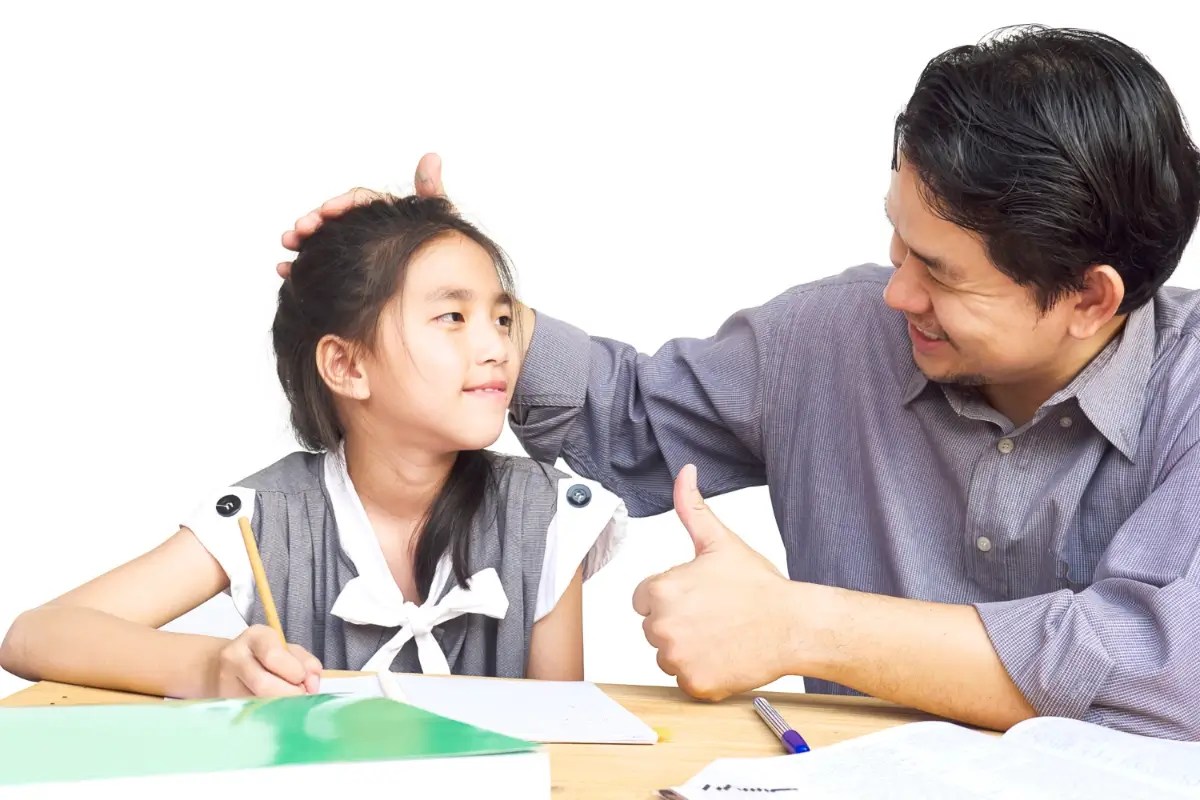
For this reason, building self-esteem in children should also involve recognising effort, thought processes, responsibility and personal progress.
Rather than simply saying, “Well done for getting full marks,” an adult might comment on what they observed, such as consistent preparation or the child’s willingness to keep trying when a task became difficult.
Give Children Opportunities to Do Things Independently
Adults may naturally want to step in immediately when they see a child struggling. However, providing help every time can sometimes prevent children from experiencing an important discovery: “I can do this myself.”
Giving children age appropriate responsibilities, allowing them to make small decisions, encouraging them to solve problems independently or asking them to try a task before requesting help can strengthen their sense of competence.
Adults still have an important role in providing guidance and support, but this support should also give children enough space to take ownership of their own learning. These opportunities can play an important role in building self-esteem in children and encouraging greater independence.
Allow Space for Mistakes
Children do not need to be protected from every disappointment. Experiences such as losing a game, answering a question incorrectly or having to revise a piece of work can all become valuable learning opportunities.
What children need is support from adults who can help them understand that making a mistake does not reduce their value as a person.
When environments at home and school allow children to ask questions, experiment and make mistakes safely, they can gradually strengthen their self-esteem, develop confidence in children and learn how to respond when situations do not go as expected.
Avoid Comparing Children with Others
Comments such as “Why can’t you concentrate like your friend?” or “Your older sibling could already do this at your age” may appear to be motivating, but they can encourage children to evaluate their worth according to other people’s abilities.
A more constructive comparison is to help children recognise their own progress. For example, adults can encourage them to notice what they can do better today than they could a month ago, or what they have learned from previous experiences.

Conclusion
Self-esteem is an important foundation that helps children learn to understand and accept themselves, both on days when they succeed and on days when they experience disappointment. When children develop a positive self-image and receive appropriate support, they can gradually build confidence, become more willing to try new things, cope with mistakes and form healthier relationships with others.
At St. Andrews International School, Green Valley, learning is designed to support children’s academic development alongside their confidence, independence and the wider skills they need as they grow. Children are given opportunities to explore their interests, recognise their strengths and develop their individual potential within a supportive learning environment.
Parents who would like to learn more can book a school tour today and experience an environment that supports self-esteem in children, encourages independence and helps every child grow with confidence in their own individual way.
Frequently Asked Questions About Self-Esteem in Children (FAQs)
Q: At What Age Does Self-Esteem in Children Begin to Develop?
A: Self-esteem in children can begin developing from early childhood through relationships with parents, carers, teachers and the experiences children encounter in everyday life.
As children grow and develop a deeper understanding of themselves, including their abilities, interests and roles within friendship groups, self-esteem development becomes increasingly complex and continues to evolve with age.
Q: Does Being Quiet or Shy Mean that a Child Has Low Self-Esteem?
A: Not necessarily. Some children naturally have calm personalities, prefer to observe before joining an activity or feel more comfortable in smaller groups while still having healthy self-esteem.
Rather than focusing only on whether a child is quiet or shy, it can be more helpful to consider whether they are able to accept themselves, express their opinions when they feel safe and take part in everyday life without an excessive fear of judgement limiting them.
Q: How Can Extracurricular Activities Help Build Confidence in Children?
A: Extracurricular activities give children opportunities to discover interests and abilities that may not always be visible through academic learning. These might include sport, music, art, performance or community activities.
Practising new skills, recognising personal progress and contributing as part of a group can all support confidence in children and building self-esteem in children. These experiences can also help children understand that their abilities and personal value can be expressed in many different ways, contributing to stronger self-esteem and a healthier positive self-image over time.